

Hitting target growth rates in dairy-beef calves
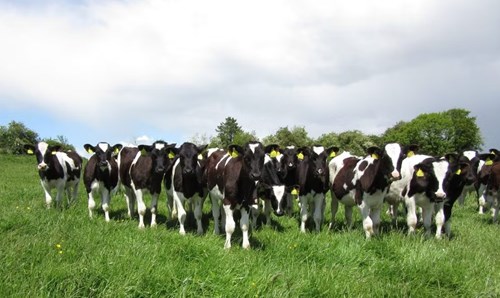
For dairy beef bred calves their first summer at grass, has a major impact on their ability to reach key performance targets from weaning to slaughter. Calves failing to reach the target daily liveweight gain (DLWG) of 1.0 kg per day can result in an extended finishing period, lighter carcases and the potential requirement of additional concentrates.
The first major transition for calves is being weaned, many farmers will wean their calves in the shed prior to moving out onto grass. Minimising the post-weaning growth check is vital to reduce the risk of disease outbreak and lower DLWG. Ensuring calves have access to concentrates before, during and after weaning will improve dry matter intakes and limit the growth check that can happen. In the first two to three weeks post turnout, calves should continue to be offered one to two kg/day of concentrate to allow the rumen to adjust to an all grass-based diet.
Consider which fields are available for calf turnout, select one which will provide shelter and shade. When turning calves out, avoiding unfavourable weather conditions is important. Water cleanliness and trough location are important factors in ensuring calves are drinking at grass.
Getting grassland management right for calves is a key factor in reaching performance targets. Providing quality grass is important to reduce selective grazing by the calves, avoid forcing the calves to graze out the field like older cattle and ideally, fresh grass should be offered every three to four days to encourage dry matter intakes.
Grass swards with the inclusion of clover can improve DLWG in calves as it encourages dry matter intakes and is a good quality source of protein. If grass cover becomes poor, particularly if the summer is dry and there is reduced grass growth, take immediate action to provide supplementary forage or concentrates.
A study by AHDB and Harper Adams in 2017 - 2018 demonstrated that weather had a major effect on the growth performance and finishing efficiency of dairy-beef calves, Hereford x Holstein-Friesian steers. During the first summer at grass, calves achieved 0.86 kg/day which was below the target DLWG (>1.0 kg/day). Growth rates suffered due to a particularly dry period in July which impacted grass growth as seen in Figure 1.
Calves were outwintered on fodder beet, due to poor weather conditions, growth rates achieved were lower than expected at 0.44 kg/day. Summer 2018 was one of the hottest and driest summers causing a sharp decline in grass growth and availability resulting in supplementary feeding and removal from grazing. Despite these challenges, calves achieved 1.06 kg/day against the target 1.3 kg/day. The target age for slaughter was 21 months old, however due to the slower growth rates, the cattle were slaughtered at an average of 24.2 months.
The study highlighted the importance of proactive grassland management and timely supplementary feeding, particularly as UK summers are becoming increasingly warmer and drier. It reinforces the need for resilient grazing systems that can be adapted quickly to the weather, helping reduce production losses and maintain animal performance.
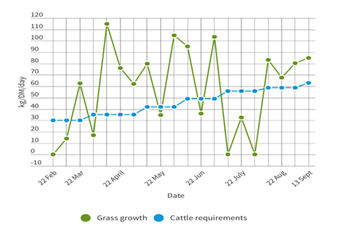
Figure 1. Grass growth in the first summer (Source: AHDB)
The key messages for achieving target DLWG in dairy-beef calves are focused on effective grassland management. Grazing should be carefully managed to maintain adequate grass cover and maximise dry matter yields, ensuring calves have access to a consistent high-quality forage.
Dr Cara Campbell, Senior Consultant and Nutritionist, [email protected]
Posted by SAC Consulting on 16/06/2026
