

Mineral and trace element supplementation for sheep and cattle
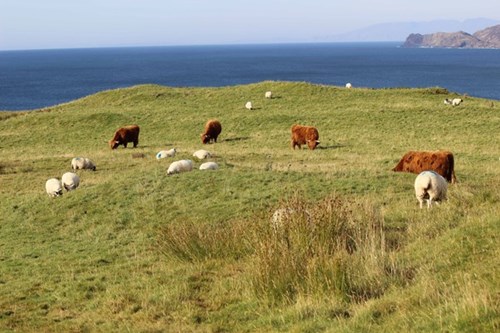
The backend of the year always brings a new set of challenges for livestock farmers with the gradual decrease in grazing quality and grass availability. This leaves several classes of stock increasingly reliant on alternative sources of supplementation away from grass for nutrition including preserved forages (silage, hay and straw), forage crops (such as kale, rape, stubble turnips and fodder beet etc), concentrates and feed blocks. All of which come with differing levels of mineral and trace elements supply also.
Alongside changing supply from grazing this can make mineral balance amid a period of varying requirements and supply a challenge. So, what do we need to consider this backend to keep stock productive and mineral and trace elements demands met properly?
The four main minerals we commonly see deficiency in at this time of year are magnesium, selenium, cobalt and iodine. However, some others may be affected depending on stock class, farm and system.
Magnesium
Function: Magnesium is responsible for muscle contractions, nerve impulses and also plays a key role in calcium mobilisation this is essential during late pregnancy and lactation for muscle contraction during labour (prevent slow calvings / retained placentas) and during lactation when requirements are high due to high calcium mobilisation (prevent staggers).
Challenge:
- Periods of increase grass growth such as an autumn flush
- Wet grass
- High potassium forages (>2% Potassium)
At risk stock class: Suckler cows in late pregnancy and lactation.
Mitigation:
- Provision of straw during back-end grazing can slow down rumen passage and increase availabilty of what is available – note straw itself is low in magnesium, however.
- Provide supplementary magnesium to cows in late pregnancy of lactation in the back end such as high mag cow rolls, free access mineral, mag supplemented molasses, magnesium licks or bolus.
Selenium
Function: Selenium plays a key role in several body functions including immunity, fertility (egg and sperm quality) and hormone regulation.
Challenge:
- Reduced grass yield.
- Many areas are already selenium deficient.
At risk stock class: Breeding ewe/rams around tupping, growing lambs.
Mitigation: Pre breeding bloods may pick up any selenium deficiencies before considering the best source of supplementation. The best time to check this is six to eight weeks pre tupping to allow status to be corrected.
Cobalt
Function: Cobalt’s main function in the synthesis of vitamin B12 in the rumen by the rumen microbes. Vitamin B12 is essential for energy metabolism and formation of red blood cells. Deficiency can lead to reduced intakes, reduced growth and anaemia.
Challenge: Cobalt levels in soils and plants are highly variable across the country but level can also be impacted seasonally by stage of maturity, soil drainage and climate.
At risk stock class: Growing/Finishing Lambs (particularly post weaning/ post rumen formation).
Mitigation: Cobalt status can be determined by a blood profile around weaning if deficiency is a concern, supplement if necessary.
Iodine
Function: Iodine plays a key role in thyroid hormone production regulating metabolic activity including growth, thermoregulation, fertility, circulation and muscle function.
Challenge: Forage brassicas such as kale and rape contain glucosinolates that block the thyroid gland from absorbing iodine.
At risk stock class: cattle and sheep grazing brassicas such as kale and rape.
Mitigation: Ensure iodine is supplemented prior to grazing brassicas ideally by either drench or bolus to ensure all stock are covered, alternatively supply iodine via free access minerals or blocks but please note intakes cannot be 100% guaranteed with free access sources.
Mineral supplementation can seem a minefield with so many varying sources available. The key is to keep it simple where possible. Consider known farm deficiencies and stock status where possible as well as all areas of supply including feed and water levels (particularly if reliant on water from natural sources or private supplies) first before deciding of which additional source of supplementation is necessary.
Over supplementation in most cases gives little benefit once the animal has already reached optimum status (not to mention increased costs) and in some cases can may also lead to toxicity.
If supplementing with a bolus ensure to check the bolus and application gun used is suitable for the stock class being supplemented, referring to manufacturer guidelines. Also, only use a bolus containing copper for sheep where deficiency is confirmed.
Lorna Shaw, Senior Beef and Sheep Nutritionist, [email protected]
Posted by SAC Consulting on 19/10/2026
