

Is your farm ready for extreme weather?
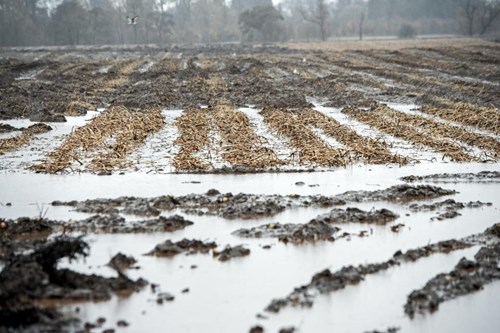
From prolonged dry spells and heatwaves, to flooding and storms, extreme weather is becoming an increasingly important business risk for Scottish agriculture. There are practical steps farmers and crofters can take to protect soils, livestock, crops and livelihoods to become better prepared for whatever the weather brings.
With this year’s storm season well underway, following two named storms arriving back-to-back in October, now is a good time to consider how prepared your farm is for extreme weather and the practical actions you can take. Earlier this year, prolonged hot and dry conditions created challenges across the country, from early harvests to water shortages and wildfires. Looking forward, Scotland is projected to experience more frequent and more intense extreme weather events due to climate change.
While farmers and crofters are used to dealing with unpredictable weather, extreme events can have a direct impact on farm profitability, animal welfare, daily operations and safety. We are already experiencing warmer, drier summers and milder, wetter winters, alongside more intense heavy rainfall events. Preparing for these risks should be part of everyday farm business planning, rather than something addressed only when extreme weather strikes. Nature-friendly and regenerative approaches can contribute to this effort, but every farm is different, so it is important to choose and tailor measures that suit your own farm and assess whether they deliver practical benefits over time.
Well-structured soils, with good organic matter content and biological activity, allow rainfall to infiltrate more effectively, reducing runoff while retaining moisture during dry spells. Keeping soils covered for longer, minimising cultivation, introducing diverse rotations and using cover crops can help protect soil structure, reduce erosion and improve water retention. On grassland, adapting grazing management can support sustainable grass growth. These measures can provide benefits and improve resilience in both wet and dry conditions.
This summer highlighted the importance of reliable water supplies, even in Scotland. Review whether existing storage and supply arrangements can meet demand during prolonged dry weather. Rainwater harvesting from suitable roofs, covered water storage and repairing leaking pipes and troughs can help make better use of available supplies.
For farms vulnerable to flooding, identify areas at risk, monitor flood alerts and plan how to move livestock and protect equipment. Farm woodlands, ponds, wetlands and buffer strips can also help slow runoff, manage water and support biodiversity and water quality.
Consider how different parts of the business will cope when conditions become difficult. For prolonged wet periods, livestock farms may need to identify alternative grazing areas and consider supplementary feeding or temporary housing where necessary. Contingency plans should also account for periods of poor grass growth, reduced silage yields and potential movement restrictions, helping to maintain animal welfare and feed supplies. During extreme heat, reliable drinking water, shade, shelter belts and adequate ventilation are particularly important for animal welfare. For arable businesses, consider whether changes to crop varieties, rotations or sowing and harvesting dates could spread the risk of difficult growing conditions.
Monitor for invasive species, pests and diseases that may become more prevalent under changing climate conditions. Check that buildings, tracks, fences, drainage and access routes are well maintained and prepared for extreme weather. During periods of extreme heat, machinery overheating, wildfires, crop fires and heat stress among staff can pose additional risks. Reviewing machinery maintenance, contractor availability and emergency procedures ahead of harvest can help reduce disruption and protect people, crops and infrastructure.
More broadly, a contingency plan setting out what to do during emergencies and extreme events, alongside up-to-date insurance cover and emergency contacts, can make a significant difference. Extreme weather events around the world can also disrupt production, food availability and markets, making it important to monitor prices, manage cashflow and plan for potential financial impacts.
Adaptation measures don’t need to be expensive. Some of the most useful actions start with observing what happened previously, identifying the farm’s weak spots and making small, targeted improvements. Speak to your farm adviser, review your climate risks and identify practical changes you can make now. While some impacts may be inevitable, being proactive can help protect your farm's productivity and profitability for any future extremes.
Five top tips:
- Learn from previous experience. Identify and prioritise which fields, crops, livestock or infrastructure suffered most in the past. Speak to other farmers and knowledge exchange networks to get support and advice.
- Build healthier soils. Assess compaction and soil structure, keep soil covered where practical, and consider cover crops, diverse rotations or adjusted grazing management to improve water retention and infiltration.
- Review water management. Check water supplies, troughs, drainage and vulnerable watercourses. Explore rainwater harvesting or suitable water storage and consider runoff management options.
- Prepare for disruption. Have a farm emergency plan to protect people and your business during a crisis or other disruption. Check that your insurance is adequate for your risks and activities.
- Get advice. Contact your agricultural adviser to identify the measures most appropriate for your farm, explore available support and develop a realistic action plan.
Useful links:
- www.adaptation.scot
- www.gov.scot/publications/academic-advisory-panel-climate-adaptation-for-agriculture-in-scotland-advisory-note
- www.farmingandwaterscotland.org
- www.fas.scot/article/farming-in-a-rapidly-changing-and-chaotic-climate
- www.crew.ac.uk/publications/planning-for-water-scarcity
Iain Boyd, Senior Consultant, [email protected]
Posted by SAC Consulting on 19/11/2026
