

The Future Farming Investment Scheme 2026: What's changed and how to make the most of it
The Future Farming Investment Scheme (FFIS) returns for 2026 with a £14.25 million budget and several important changes following feedback from last year's round. Grants of up to £20,000 per business are available to support investments that improve efficiency, animal welfare and environmental sustainability. With a revised scoring approach, opportunities for previous applicants to reapply, and a range of eligible items available, now is the time for farmers and crofters to start planning their applications.
What’s changed?
Many farmers and crofters will remember the first round of the FFIS as highly competitive, with demand significantly exceeding the available budget. Following feedback from applicants, the Scottish Government has made several changes for FFIS 2026, creating what should be a simpler and fairer process for businesses looking to invest in their future.
The 2026 scheme has a budget of £14.25 million, with grants of up to £20,000 available for businesses which have over 3ha of land not including common grazing shares. Applications will open from 30 November 2026.
What is the FFIS?
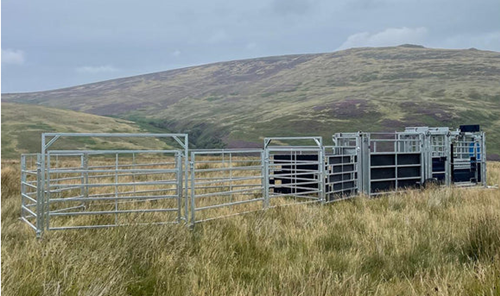
FFIS is designed to help Scottish farmers and crofters invest in capital items that improve business efficiency, environmental performance and long-term resilience. Eligible investments range from mobile livestock handling equipment and animal welfare improvements through to precision farming technology and environmental measures.
For many businesses, FFIS presents an opportunity to invest in equipment that delivers practical day to day benefits while supporting wider sustainability objectives.
What's new for 2026?
One of the biggest changes is the removal of the priority group system used in the first round. Instead, all applications will be assessed using a single scoring method based on the scores assigned to investments within the Capital Investment Guide.
Businesses that received funding through the previous FFIS round remain eligible to apply, subject to meeting the scheme eligibility requirements. Applicants can select up to ten eligible investments, with a maximum grant award of £20,000 per business. This allows businesses greater flexibility to tailor applications to their own priorities.
Grant rates available in 2026 are:
- Standard applicants: 50%
- Highlands and Islands businesses: 60%
- New entrant businesses: 80%
- Selected environmental investments: 100%
Grant support ranges from 50% to 100%. Environmental items receive 100% funding, while all other items receive the standard business rate of 50%, 60% (Highlands and Islands) or 80% new entrant). This means different items within the same application may receive different rates of support.
Understanding the scoring
The publication of the Capital Investment Guide ahead of applications opening provides an opportunity for businesses to review both eligible items and their associated scores.
Applications will be ranked using the scores attached to the investments selected. This means applicants should think carefully about the combination of items included within an application. While higher-scoring items may help improve competitiveness, investments should still be chosen based on genuine business need rather than score alone.
Who can apply?
Most active farming and crofting businesses submitting a 2026 Single Application Form (SAF) and meeting the scheme requirements should be eligible to apply. Applicants must have at least three hectares of eligible agricultural land, excluding common grazing shares, for example, a business which has 1ha of land and 20ha of common grazing shares would not be eligible. Businesses are also required to have completed at least two relevant Whole Farm Plan (WFP) audits or plans as part of their application.
Time to start planning
Although applications are not yet open now is the ideal time to review the guidance, consider business priorities and identify investments that could deliver the greatest benefit.
Businesses should also be aware that successful FFIS applicants may have other agricultural support payments placed on hold until FFIS evidence has been submitted, checked and the grant conditions have been confirmed as met. This highlights the importance of keeping records, completing investments within the required timescales and submitting evidence promptly.
The competitive nature of the scheme means preparation will be key. Further information can be found on the Rural Payments website.
Understanding eligibility requirements, completing WFP requirements and reviewing investment scores in advance could make a significant difference once applications open.
At SAC Consulting, we are already helping clients assess eligibility, review investment options and prepare for the next round of FFIS. If you are considering an application, now is the time to start planning.
Five top tips
- Read the Capital Investment Guide now. Familiarise yourself with eligible items, specifications and scores before the application window opens.
- Complete your Whole Farm Plan requirements. Check that the required elements are in place before applying and dates match what was submitted in SAF 2026.
- Think strategically about scoring. Consider how different investments contribute to your overall application score while still meeting business needs.
- Factor in grant rates and cashflow. Understand which grant rate applies to your business and remember that other support payments may be affected until FFIS checks are completed.
- Get advice early. Speaking to your SAC consultant before applications open can help identify the most suitable investments.
Sammy-Jo Mcarthur, Consultant, [email protected]
Posted by SAC Consulting on 19/11/2026
