

Are you winning when weaning calves?
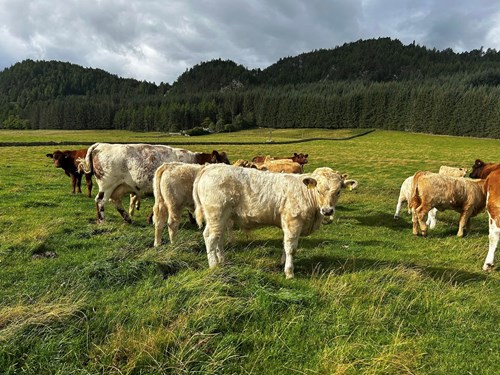
As the days continue to shorten, many spring calving suckler herds will have or be planning to wean calves. Weaning is important to allow the dam to maintain (or improve) body condition score (BCS) whilst managing the increasing metabolic demands of pregnancy and allow the udder to prepare for the next lactation.
Weaning is considered a 'stressful' event and can have a significant impact on health, welfare and productivity
What do we mean by stress in animals?
It is the body’s method of reacting to changes and potential threats.
What types of stress are there?
- Physiological – these are stressors that impact on how the body works, one example would be a change of diet.
- Psychological – stressors that might cause fear e.g. handling
- Physical - stressors that impact on the animal’s condition e.g. environmental changes or disease.
What effect does stress have on an animal?
Immediate - fight or flight response with a spike in adrenaline which results in an increased heart and breathing rate and energy being used in these responses.
Develops over time - an increase in a hormone called cortisol. This results in energy being diverted from growth to respond to the stress and reduces the production of white blood cells which are an important part of the animal’s immune system.
Impacts of stress:
- Reduced function of the immune system
- Animals will be more susceptible to infections and less able to respond to disease causing pathogens.
- Reduces the animal’s response to vaccines.
- Gut health disruption
- Affects the guts’ ability to process and digest food
- Reduced feed intakes
- Performance and growth
- Energy is used to cope with the stress rather than growth
What stresses at weaning should be considered?
- Separation from dam
- Mixing with other animals – changes in the social hierarchy
- Nutritional stress – both the possible change of diet but also possibly the access to the ration
- Environmental changes
- Other management procedures e.g. dehorning, castration, back clipping
The combination of weaning stressors plus being housed with other livestock can result in a bad combination of reduced immunity and increased pathogen load which results in a significant risk of disease.
The most common disease presentation post weaning is BRD/pneumonia. It is important to realise that the animals that show the overt clinical signs such as a nasal discharge, coughing and a temperature may only be the tip of the iceberg. Whilst the cost of these in terms of treatment and decreased growth rates may be evident, animals that do not show signs are also negatively impacted in terms of their performance. One scientific study showed that animals that did not appear sick but were in contact with sick animals took 33 days longer to finish.
Risk factors for pneumonia:
- Environmental/housing
- Poor ventilation - good air flow is important to keep the air fresh and reduce the build-up/spread of bacteria/viruses. Dusty conditions also have an impact on the respiratory system.
- Too hot or too cold as well as draughts directly onto the animals
- Dirty and or damp bedding
- Poor or inadequate access/ amount of diet or water
- Overstocking
- Mixing of ages of animals and introducing new animals to groups
- Contact or shared airspace with sick animals
Prevention of pneumonia:
- Manage the risk factors above
- Vaccination
- Discuss which one(s) are best for your herd with your vet.
- Ensure primary courses are completed before the disease risk period.
- Reduce stress before and after administration to allow a good immune response to the vaccine.
Weaning strategy should aim to reduce stress and the impacts listed above to maximise health, welfare and productivity. Weaning should be considered a process and NOT a one-day job.
Consider how you could wean gradually some examples below:
- Fence line separation
- Gradual increasing time of separation
- Using creep feed
- Use of nose flags
Top tips
- Keep the ration consistent.
- Introduce the post weaning ration to calves whilst still on their mothers, reduce the calves’ reliance on milk.
- Ensure good access to a palatable feed and that calves know where and how to access the diet.
- Keep the environment as similar as possible. i.e. if taking stock inside take them in for a week or two before weaning, or if outside wean the calves in a field they are familiar with.
- Try to keep handling, management tasks and treatments around weaning time to a minimum.
- If housing ensure clean, dry and well-ventilated environment.
Kythe Mackenzie, SRUC Veterinary Investigation Officer, [email protected]
Posted by SAC Consulting on 19/11/2026
