

Lead Poisoning Risk
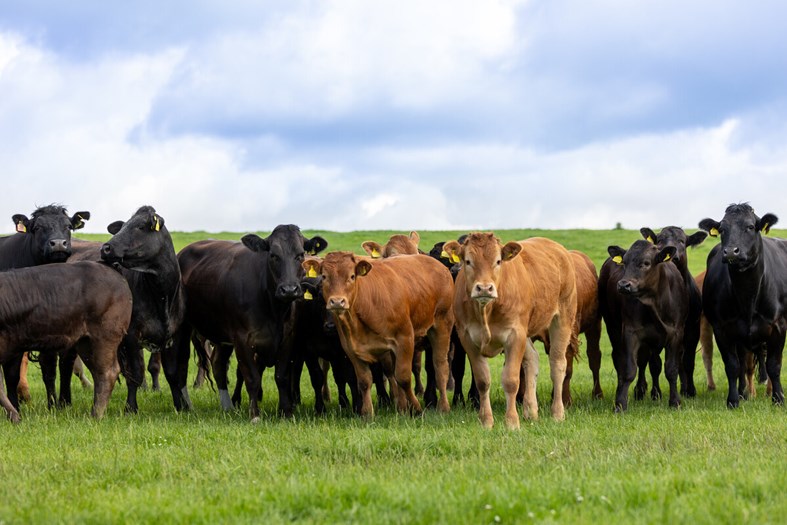
With cattle now at grass across much of the country, we are in the peak period for lead poisoning cases. While entirely preventable, lead toxicity remains one of the most commonly diagnosed causes of fatal poisoning in cattle.
Cases of lead poisoning are most commonly diagnosed between May and August, with youngstock particularly at risk. Their naturally inquisitive behaviour means they are more likely to investigate, lick and chew unfamiliar objects in the environment. Lead-containing materials are especially hazardous because battery electrolytes can be surprisingly palatable to cattle.
This makes field inspections an important part of turnout preparation and a key discussion point during routine herd health visits.
Veterinary surgeons should encourage clients to thoroughly inspect grazing areas before cattle are turned out, paying particular attention to fields that have not been grazed recently or rented ground that may be unfamiliar.
Common sources of lead exposure include:
- Vehicle and machinery batteries.
- Electric fence batteries that have been forgotten or discarded.
- Fly-tipped waste.
- Burnt-out vehicles.
- Bonfire sites and contaminated ash.
- Lead paint, piping and flashing.
- Lead shot.
- Areas of naturally elevated soil lead levels, particularly around former mine workings.
Burnt-out vehicles and bonfire sites present a particular hazard. Simply removing visible debris may not be sufficient, as lead contamination can remain in the ash and surrounding soil. Where these sites are identified, both the ash and a layer of underlying soil should be removed or the area securely fenced off.
Acute lead toxicity can develop rapidly, sometimes within 24 hours of ingestion. Clinical presentation can vary from sudden death to severe neurological disease.
Typical signs include:
- Blindness.
- Ataxia and incoordination.
- Hyperaesthesia.
- Muscle tremors.
- Circling or abnormal behaviour.
- Convulsions and seizures.
- Salivation.
- Teeth grinding (bruxism).
- Dullness and anorexia.
- Recumbency.
- Sudden death.
Animals that survive the initial acute phase are often dull, blind and anorexic, before progressing to recumbency. Teeth grinding is a particularly notable clinical sign that is frequently reported in affected cattle.
Although many cases present acutely, chronic exposure can also result in production losses through anaemia, reduced fertility and foetal abnormalities.
Prompt diagnosis is important both for animal health and food safety reasons.
In live animals, a green-top (heparin) blood sample is required for lead analysis. Following death, kidney tissue is the preferred sample for diagnostic testing.
Because lead poses a risk to the food chain, any confirmed cases must be reported to Food Standards Scotland (FSS). Subsequent movement restrictions, testing requirements and withdrawal periods may have significant implications for affected farms.
As with many toxicities, prevention is far more effective than dealing with the consequences of an outbreak.
Key preventative measures include:
- Inspecting all grazing fields before turnout.
- Removing discarded batteries and other lead-containing materials.
- Regularly monitoring fields for signs of fly tipping throughout the grazing season.
- Ensuring electric fence batteries are inaccessible to livestock and removed when no longer in use.
- Assessing seasonal or rented grazing before stock are introduced.
- Removing ash and contaminated soil from bonfire and burnt-out vehicle sites.
- Avoiding overgrazing in areas where naturally elevated soil lead levels are known to occur.
Lead poisoning should remain high on the differential list for cattle presenting with acute neurological signs, blindness or sudden death shortly after turnout. Youngstock are particularly vulnerable, and a single discarded battery can result in substantial losses within a herd. Early recognition, prompt sampling and rapid identification of the source are essential to minimise further cases and protect the food chain.
As turnout continues, now is an ideal time for practices to remind clients of the importance of field inspections and ongoing vigilance for potential sources of lead contamination.
Posted by SRUC Veterinary Services on 21/07/2026
