

Hot Weather Warning: Prevent Sample Deterioration This Summer
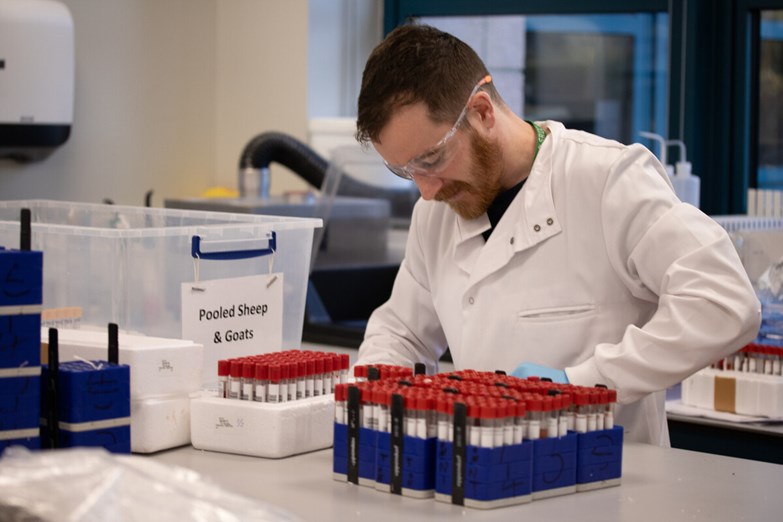
With temperatures soaring across most of the UK in recent weeks, we have seen an increase in samples arriving at our laboratories in a putrid condition and unsuitable for testing. In many cases, exposure to elevated temperatures during storage and transit appears to be the main contributing factor.
Degraded samples can have significant consequences for both veterinary practices and clients. Not only can they compromise diagnostic testing, but they may also result in additional costs and delays, including:
- Time required to collect replacement samples.
- Additional field kits, containers and packaging.
- Extra postage or courier costs.
- Delays to diagnosis and treatment decisions.
Affected samples have included blood and milk samples, but results from faecal samples can also be compromised by exposure to high temperatures.
Why hot weather matters
While laboratory submissions are routinely transported successfully throughout the year, the recent spell of warm weather has increased the risk of samples deteriorating before they reach the laboratory. Temperatures have approached 40°C in parts of the UK, creating conditions where biological samples can rapidly spoil if not kept cool.
Steps to protect your samples
To minimise the risk of deterioration during hot weather, we recommend taking the following precautions:
- Samples should be placed in refrigerated storage as soon as possible after collection.
- Where possible, bring samples back to the practice immediately so they can be stored in a refrigerator until dispatch.
- If immediate return to the practice is not possible, store samples in a cool bag or cool box with ice packs and return them to refrigerated storage at the earliest opportunity.
- Maintain refrigeration for as long as possible before posting or courier collection.
- Consider wrapping samples in insulating materials such as bubble wrap or polystyrene to help maintain a stable temperature during transit.
- Ice packs can provide valuable temperature protection during warmer periods, particularly for milk samples, which are especially susceptible to spoilage. Where suitable, send milk samples with preservative (see price guide for sample requirement guidance).
- Where available, send samples using first-class post or a courier service to minimise transit times.
- Try to avoid posting samples immediately before weekends or public holidays when they may spend extended periods in transit or storage.
A reminder on packaging requirements
Correct packaging also plays an important role in protecting sample quality and ensuring compliance during transportation. For further guidance, please read our blog: Safe Sample Packaging: A Reminder for Veterinary Practices
By taking a few additional precautions during periods of hot weather, practices can help ensure samples arrive in suitable condition for testing, avoiding unnecessary delays, repeat sampling and additional costs for both practices and clients.
Posted by SRUC Veterinary Services on 21/07/2026
