

Ragwort Toxicity in Cattle: A Recent Case Highlights the Importance of Prevention
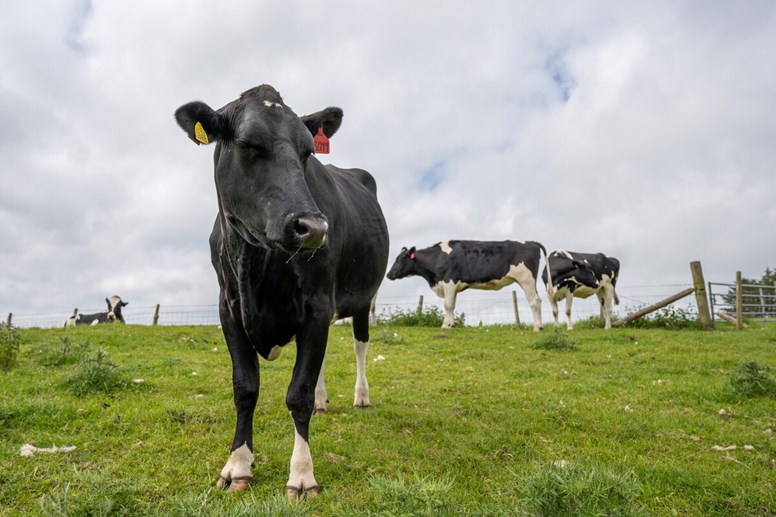
A recent postmortem investigation through the Dumfries PM room has highlighted the ongoing risk that ragwort poses to cattle, particularly when exposure goes unnoticed until clinical disease develops.
A suckler herd experienced a series of unexplained losses, with cows presenting with a range of clinical signs including scour, tenesmus, lethargy, neurological abnormalities, recumbency and, ultimately, death. Three cows from a group of 21 died within just a few days, prompting the submission of one animal for postmortem examination.
The most significant gross finding was a pale liver with diffuse mottling throughout the parenchyma. Histopathological examination revealed chronic hepatic fibrosis, bile duct proliferation and marked variation in hepatocyte size. In the absence of significant inflammatory changes, these findings were highly suggestive of pyrrolizidine alkaloid toxicity, consistent with chronic ragwort poisoning.
Ragwort (Jacobaea vulgaris) contains toxic pyrrolizidine alkaloids that cause irreversible liver damage. In cattle, poisoning is most commonly associated with chronic exposure, where small quantities are consumed over an extended period. This gradual accumulation of liver damage means that clinical signs may not become apparent until months after exposure has ceased.
As a result, the connection between the onset of disease and the original source of exposure can be easily overlooked.
Clinical signs of chronic ragwort toxicity can be variable and are often associated with progressive liver failure. These may include:
- Weight loss and poor body condition.
- Diarrhoea or scour.
- Tenesmus.
- Lethargy and reduced appetite.
- Photosensitisation.
- Neurological signs associated with hepatic encephalopathy.
- Recumbency and death.
Unfortunately, once animals develop overt clinical signs, the prognosis is generally poor and recovery is uncommon.
Although cattle typically avoid ragwort when adequate grazing is available, consumption becomes more likely under certain conditions:
- Drought or poor grazing availability, when alternative forage is limited.
- High stocking densities, increasing grazing pressure.
- Contaminated conserved forage, particularly hay and silage containing ragwort plants.
The latter presents a significant risk because ragwort becomes more palatable after drying or ensiling, while retaining its toxicity.
Given the irreversible nature of the liver damage caused by pyrrolizidine alkaloids, prevention remains the most effective strategy.
Veterinary surgeons should encourage clients to:
- Regularly inspect grazing fields for ragwort.
- Control and remove ragwort before seed set.
- Avoid using fields with significant ragwort burdens for hay or silage production.
- Check conserved forage sources where ragwort contamination is suspected.
- Maintain adequate grazing availability to reduce the likelihood of cattle consuming unpalatable plants.
This case serves as a reminder that ragwort poisoning should remain on the differential list for cattle presenting with chronic liver disease, neurological signs and unexplained mortality. Because clinical disease may develop long after exposure has occurred, a thorough grazing and forage history is essential. Once signs of hepatic failure become apparent, affected animals rarely recover, making proactive ragwort control and forage management critical for protecting herd health.
Posted by SRUC Veterinary Services on 21/07/2026
