

Lead poisoning in grazing livestock
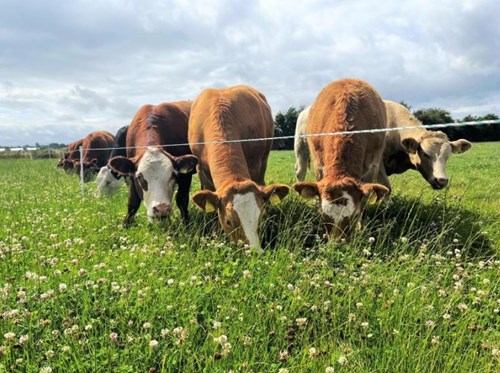
Lead poisoning is one of the most commonly diagnosed causes of fatal poisoning in cattle. With many herds having newly turned-out stock or currently turning stock out to grass, it is important to be aware of the risk of lead poisoning and inspect fields before cattle, especially youngstock, are turned out.
By considering what you can do to mitigate the risks of lead poisoning, as well as spotting signs of toxicity, you can help reduce impacts on your livestock and the financial impacts to your business.
Risks post turn-out
Data collected by SAC Consulting has shown that 92.5% of lead poisoning cases are diagnosed during the grazing season. Of these almost three quarters occurred in the months of May and June. Diagnosis of lead poisoning is usually seen between May and August with highest cases seen immediately following turn out in spring months.
While all ages can be affected by lead poisoning, it is most commonly seen in curious calves and younger cattle, as young cattle tend to be most at risk of poisoning due to their inquisitive nature. To reduce the risk of lead poisoning, farmers are urged to carefully check fields and hedgerows for sources of lead before turning out cattle to grass and throughout the grazing season, as incidences of fly-tipping on farmland and in rural areas and are now becoming more common. For anyone with seasonal grazing, it is also important to inspect fields before stock are turned out.
Common sources of lead on farm include:
- Lead batteries from cars and machinery
- Electric fencing batteries
- Burnt-out cars and bonfire ash
- Lead flashing and piping
- Flaking lead paint and old tins
- Lead shot
- Natural lead in soils
- Lead mines and surrounding land
Lead levels in Scottish soils are generally low, therefore poisoning from grazing is uncommon. However, in certain areas lead levels can be high, such as near old mine workings or on the site of a burnt-out car. Foreign objects as listed above can find themselves within reach for livestock very easily, with fly-tipping being a major uncontrolled factor.
The curious nature of cattle mean that they are highly likely to readily lick or chew on material containing levels of lead. If there has been an old battery leftover from an electric fence, then a young inquisitive calf is sure to find it.
Lead is also palatable to cattle due to it having a sweet taste with car batteries and batteries from old farm machinery often a higher risk as electrolytes contained within them can also be palatable.
Symptoms of lead poisoning
Acute symptoms of lead poisoning include:
- Blindness
- Muscle tremors
- Abnormal behaviours (including teeth grinding, bellowing and circling)
- Seizures and convulsions
- Salivation
- Constipation/diarrhoea
- Sudden death
Acute toxicity can occur within 24 hours, and clinical signs range from sudden death to blindness. Animals that survive for a few days are dull, blind, anorexic and may become recumbent.
Lead poisoning is not always fatal; however, it often presents this way in the short term, with other acute symptoms seen in the rest of the group. Chronic symptoms include anaemia, foetal deformities and infertility both of which can have a longer lasting effect on herd performance.
The cost of lead poisoning
Lead poisoning in cattle causes significant financial losses, driven primarily by high mortality rates. There is testing and veterinary costs as herds affected require blood tests and monitoring, adding to initial veterinary expenses and diagnosis.
The minimum 16-week withdrawal period causes potential delays in sending animals to market, which could result in loss of market value.
There are also the longer-term production losses to consider including slower of stunted growth and increased birth defects and infertility.
In 2020, Food Standards Scotland reported a case of lead poisoning where a farmer lost eight cattle from a group of 38 after two batteries were found to have been fly-tipped in his field, leaving eight calves orphaned. Symptoms displayed in affected animals included teeth grinding, head bobbing and muscle tremors, with animals continuing to be affected for several weeks later.
Prevention
The best defence against lead poisoning is prevention so check fields now for potential sources and remove them. It can be as simple as removing old paint and ensuring animals have no access to lead flashing or pipework.
Checking your grass fields prior to turnout and frequently during the grazing period for batteries or signs of fly tipping can reduce risk to stock. This is particularly important where pastures haven’t been grazed recently or on seasonally rented ground you are unfamiliar with.
Ensure that portable electric fence batteries are collected from grazing and or silage fields. If you are using an electric fence, ensure that the battery is not in reach of stock.
Where an area of grassland has a high lead content, ensuring grass is not over grazed can minimise risks to stock as it reduces soil intake. For areas where a bonfire or vehicle has burnt, ensure that the ash is removed along with a layer of the soil if you are unable to restrict access to this area.
If you suspect lead poisoning, consult your vet immediately and investigate the potential source of poisoning to prevent further cases.
5 top tips
- Lead is a highly toxic. It is the most common cause of cattle poisoning.
- Highest incidences occur in Spring following stock turnout.
- Identify and remove source of lead and prevent access by livestock e.g., check fields for discarded vehicle batteries.
- In areas with naturally high soil lead content, don’t graze pasture too short.
- Stay vigilant for signs of fly tipping throughout the grazing season.
Useful links
Kirsten Craig, Agricultural Consultant, [email protected]
Posted by SAC Consulting on 18/05/2026
