

Control and Prevention of Orf in your Flock
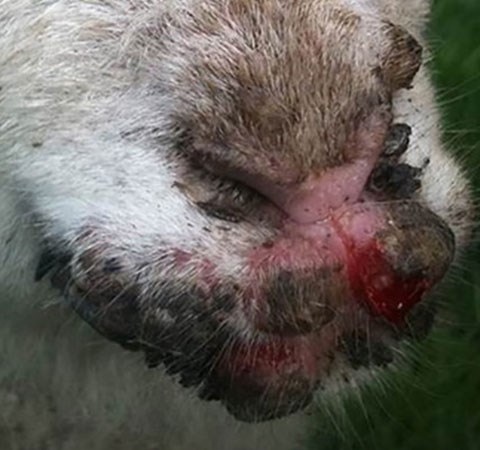
Orf is an endemic viral disease within the UK affecting sheep and goats. It can cause significant welfare issues in your flock and have an impact on lamb growth rates. If you don’t have it, keep it out with strict biosecurity.
Once infection enters the flock disease control is challenging as it is highly contagious and can remain in the environment for long periods. Isolation of affected animals, disinfection, vaccination and the use of waterproof gel barrier should all be considered as part of a control strategy. Consulting with your vet early in an outbreak can help minimise the impact of any outbreak.
What is Orf?
Orf is a contagious viral disease caused by a Paraopox virus affecting sheep and goats. Humans can be infected with farmers and shepherds being at high risk of contracting it. Infection is spread by direct contact by infected animals and through environmental contamination with infected scabs.
The virus can survive in environment for months and sometimes years. Wounds/abrasions to the skin allow entry into the body. Scabby lesions occur usually around the mouth and nose of lambs. Infection can then spread to ewes teats when lambs are suckling. Consequences of this include mastitis and reduced lamb growth rates.
Infection is usually self-limiting lasting four to six weeks however infection particularly in young lambs can lead to reduction in growth rates and is a significant welfare concern. Animals don’t develop immunity and can become reinfected. Recovery tends to be quicker in these cases with infection lasting two to three weeks.
What is the risk to humans?
Infection in humans occurs in the same way with infection entering through wounds. Lesions can be painful and in rare cases can lead to serious infections. Good hygiene is essential and gloves should be worm when handling affected animals
Diagnosis and treatment
If you are concerned you have an Orf outbreak, contact your veterinary surgeon. To confirm a diagnosis sample of scabs can be taken and submitted to SRUC veterinary investigation centre. Scabs are tested by PCR for the presence of Parapox virus.
Affected groups (where possible) should be isolated to reduce spread and particular attention should be paid to hygiene of feeding equipment. Appropriate disinfectant of the environment with antivirals should be performed to reduce risk of reinfection in subsequent lambing periods. Antibiotic treatment should only be considered when secondary infections are present e.g., mastitis.
A licensed live vaccine is available and can be used successfully control Orf infections on endemic farms. Vaccine must only be used on farms where Orf has been diagnosed by a vet. Both adult and neonatal animals can be vaccinated but vaccination must not be used in ewes in the last eight weeks of pregnancy.
Seek veterinary advice when using vaccine as successful disease control relies on correct application of vaccine. Vaccination in subsequent years should be considered for continued disease control.
A new waterproof gel barrier has recently been trialled in a small number of flocks affected by Orf. Early findings from a recent study suggest it may help create an environment that supports skin healing. Further larger studies are required to further investigate its use however this initial study suggests the product may be useful in treating Orf.
As ever the best advice is to avoid infection by strict quarantining of any new animals purchased and those returning from shows, winter grazing etc.
5 top tips
- Orf is a zoonotic disease and can spread to humans. Ensure strict hygiene when handling affected animals. Disinfect effectively to reduce spread.
- If your flock is free from Orf, keep it that way by quarantining all incoming and returning animals.
- Seek advice from your farm vet if you are concerned you have Orf in your flock.
- The Orf vaccine should only be used under veterinary guidance.
- Consider the use of new waterproof gel barrier to aid healing in infected animals.
Lynn Gibson, SRUC Veterinary Investigation Officer, [email protected]
Posted by SAC Consulting on 17/04/2026
