

What minerals are key for weaning lambs?
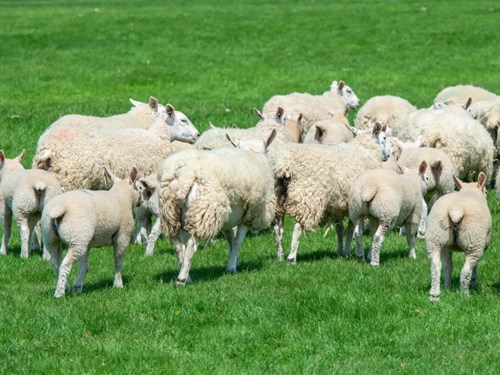
Weaning time is fast approaching and this is one of the most critical periods to get mineral nutrition right. As the lamb comes off the ewe, they are becoming dependent on other feed sources to provide their nutrition. Depending on the quality and nutritional value of the grazing land that the lambs go onto post weaning, this can impact growth rates. As lambs move off their mother's milk, there is potential that lambs are missing out on key trace elements.
Weaning time can be a stressful event for lambs causing growth stunts or disease outbreaks. Due to their rapid growth, lambs require sufficient energy and nutrients to maintain their daily growth rates, and this can lead to a shortfall in minerals being supplied in the diet. Several trace elements are key in the biological processes involved in growth and development at weaning.
A lamb requires a range of minerals, however at weaning, there are a couple of specific minerals which have a key involvement in the biological processes which lead to a healthy and profitable lamb. The most important minerals for weaning lambs are cobalt, selenium and iodine.
In weaning lambs, it can be argued that cobalt is most important mineral as it essential for lamb growth. In the rumen, cobalt is key for the synthesis of vitamin B12 and supporting the metabolic function of the rumen microbes that break down feed. Signs of cobalt deficiency, known as Pine, include low appetite, poor wool growth, lethargy and poor growth rates. Cobalt levels in the grass can vary depending on the grass growth, weather and levels in the soil. Sheep do not store cobalt well therefore it is critical that there is a consistent supply of cobalt in their diet.
When discussing selenium, vitamin E needs to be part of the conversation, as it has an important role to play as both are antioxidants which support healthy muscle development and immune function in the lamb. A deficiency in these minerals leads to white muscle disorder or stiff lamb disorder due to the lamb becoming stiff and slow to move, therefore, easy to catch.
Iodine regulates metabolism in lambs and is vital in the digestion of carbohydrates ensuring efficient absorption across the gut wall. Iodine is a component of thyroid hormones which ensure the lamb has sufficient energy for quick growth whilst being healthy. For the lamb to be able to utilise iodine, selenium plays a role in that, therefore having sufficient supplies of both minerals are critical. Iodine deficiencies can be difficult to identify due to presenting as an enlarged thyroid. Physically signs which can be indicators of iodine deficiency include low energy and poor growth.
Preventing trace element deficiencies during the weaning period will ensure lambs maintain their growth rates and good health. There are different preventative methods which can be utilised, these include drenches, boluses, licks and powders. Each method provides the lamb with their mineral requirements however it is important to consider which method is the most practical for your set up.
If you are concerned about mineral deficiencies on your farm, speak to your nutritionist to determine the most appropriate preventative method which will ensure your lambs are receiving a consistent supply of trace elements.
Dr Cara Campbell, Senior Consultant and Nutritionist, [email protected]
Posted by SAC Consulting on 21/07/2026
