

Rumen Fluke – the lesser of two evils?
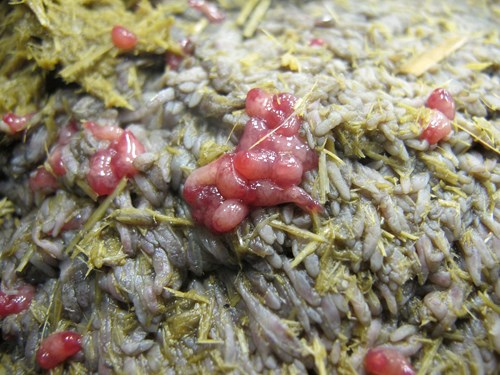
Rumen fluke infection, predominantly caused by Calicophoron daubneyi, has become increasingly common in sheep and cattle in the UK. However, liver fluke remains the more important parasite in terms of disease and production losses. Infection with both parasites can occur, so detecting rumen fluke should not distract from appropriate investigation and control of liver fluke. Although rumen fluke infection is common, associated clinical disease is uncommon.
Transmission
Rumen and liver fluke use the same mud snail intermediate host. Infective larvae leave the snail and form cysts on vegetation with livestock becoming infected when they ingest these cysts while grazing. Wet, boggy and poorly drained areas provide suitable snail habitats and therefore present a greater risk of infection.
Following ingestion, immature rumen flukes emerge from the cysts in the small intestine, where they feed and develop before migrating to the rumen. Here, they mature into adults and produce eggs, which pass out in the faeces.
Clinical disease is principally associated with large numbers of immature flukes damaging the small intestinal lining, particularly in the duodenum. Adult flukes in the rumen are generally not associated with clinical disease.
Diagnosis
Faecal examination can detect rumen fluke eggs. A positive result confirms the presence of egg-producing adult flukes, but does not establish that they are causing disease or indicate the number of immature flukes in the intestine.
Importantly, disease caused by immature rumen flukes can occur before eggs are being shed, so a negative faecal egg result does not exclude it. There is no widely available routine test specifically for immature rumen fluke infection in live animals. Postmortem examination can confirm disease by demonstrating immature flukes and associated intestinal damage.
Disease
Clinical disease is uncommon but can be severe. Signs may include:
- Dullness and reduced appetite
- Diarrhoea
- Dehydration
- Rapid weight loss and ill-thrift
- Poor body condition
- Death in severe cases
These signs have many possible causes, so diagnosis requires veterinary assessment alongside laboratory findings and grazing history. Other causes, including liver fluke and gastrointestinal worms, should also be investigated.
Finding rumen fluke eggs in an otherwise healthy animal is not, by itself, a reason to treat. Most adult infections are not associated with demonstrable disease or production loss.
Treatment
Treatment options are limited with most products used against liver fluke ineffective against rumen fluke. Oxyclozanide has recognised activity against adult and immature rumen flukes, but no product is currently licensed for treating rumen fluke in the UK. As a result it’s use for this purpose requires veterinary prescribing.
Oxyclozanide has a relatively narrow safety margin, so accurate dosing is important. It should also be noted that oxyclozanide acts against adult liver fluke but does not provide effective control of early immature liver fluke.
Routine preventive dosing against rumen fluke is generally not required. Farms with previously confirmed clinical disease should develop an individual control plan with their vet, including measures to reduce exposure to high-risk grazing.
In summary, finding rumen fluke eggs in faeces confirms adult infection, but does not demonstrate that rumen fluke are causing disease or that treatment is necessary. Treatment decisions should combine clinical findings, laboratory results and grazing history, with veterinary advice.
Avoiding unnecessary treatment reduces costs and selection pressure for resistance, helping preserve the limited treatment options available.
Carol-Anne Warnock, Agricultural Consultant, [email protected]
Posted by SAC Consulting on 19/11/2026
