

Protecting our crofts and farms from invasive species
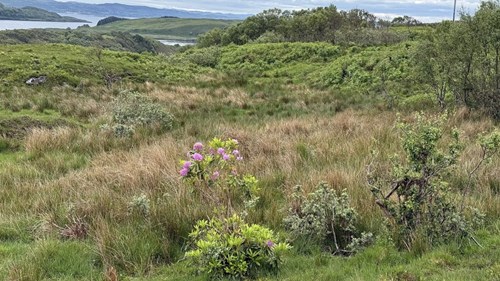
An invasive species is usually a non-native or introduced species that adversely affects habitats and threatens biodiversity. While controlling and managing invasive non-native plants might not be at the top of your farm or croft to-do list, they can have a very practical impact on how you use and manage your land. The most widespread invasive non-native plant species causing damage to Scotland's environment and biodiversity include Himalayan Balsam, Japanese Knotweed and Rhododendron. Left to grow these species can spread reducing productive land while also impacting and out-competing native species.
With invasive non-native species posing a significant and growing cost to Scottish agriculture, and with agricultural support placing a greater focus on biodiversity and environmental outcomes, there is a good reason to understand what species are present on your land.
Invasive non-native plants: A practical issue for your farm or croft
Invasive plant species may not be on your radar, or simply not at the top of your priority list, with plenty of other pressures competing for time and money, but it is worth taking the time to look around your holding for invasive non-native species such as Rhododendron ponticum, Japanese knotweed and Himalayan balsam. While habitat mapping as part of the requirement for the Whole Farm Plan, you may decide to note invasive non-native species growing however these are not mandatory as part of the habitat mapping.
It is important to be aware of invasive species as across many farms and crofts, these species are reducing grazing potential, restricting stock movements, creating access problems, suppressing native plants and wildlife, and contributing to the decline of biodiversity and ultimately limiting your flexibility to manage your land. They can potentially be expensive to remove if not identified and treated quickly. The first step in controlling non-native invasive species is being aware.
What does it mean for your farm or croft?
Think about the different areas of land you manage - in-bye fields, rough grazing, hill ground, woodland, banks and field edges – and the options and flexibility they give you for grazing, contributing to biodiversity and your ability to meet environmental targets.
Being able to use and successfully manage as much of this land as possible is important. But as invasive non-native plants spread, that flexibility can gradually disappear. The land is still there, but it can become harder to graze, access and manage effectively.
Extreme flood events because of our changing climate can transport invasive plant seeds e.g. Himalayan balsam to new areas and create disturbed seedbeds where seeds can germinate. By outcompeting native plants and then dying back in winter, invasive plants e.g. Himalayan balsam weakens riverbanks making them more vulnerable to soil erosion during high flow periods. The impact can build over time. A small patch can quickly become a much bigger, more expensive problem if left unchecked.
How to prevent invasive species
Good land management practices are essential to try to prevent invasive species becoming established. To avoid the introduction of invasive species:
- Don’t import contaminated soil
- Ensure machinery entering the farm is clean to avoid accidental cross contamination
- Avoid planting invasive species including within amenity areas such as gardens
How does this fit with the changing agricultural support system?
Scotland’s agricultural support system is changing, with the new Rural Support Plan placing greater emphasis on climate, biodiversity and sustainable land management outcomes. The Scottish Action Plan for Invasive Non-Native Species 2026–2032 is a part of this wider shift, committing to consider invasive non-native species within future agricultural support and agri-environment funding, while recognising that farmers and crofters have an important role to play in preventing their spread.
The Action Plan’s commitments are therefore significant. They provide an early indication that preventing and controlling invasive species could become an identifiable and potentially fundable component of Scotland’s future agricultural support system. It also has the potential of a framework for farmers and crofters to work together, recognising that coordinated action can support healthier land, stronger biodiversity and more resilient agricultural communities, while helping to deliver wider environmental aims and goals that benefit us all.
Get started now understanding what invasive species are present, identifying risks, putting good biosecurity measures in place, keeping records and beginning to manage problems early are all actions which can be taken now to help build a stronger position as the new support system develops.
Keeping your options open
Tackling invasive non-native species is not something that necessarily sits separately from the farm or croft business. It can be part of enhancing the land you already have, keeping your options open and improving its resilience, productivity and environmental value for the future.
If you are unsure whether invasive plants are an issue on your holding, or where to start with a management plan, it is worth having a conversation with your adviser or someone with specialist experience.
There are a range of useful resources available to help you identify invasive species, understand your responsibilities and consider appropriate management approaches. Apps such as Flora Incognita can help with identification, while the Farm Advisory Service (FAS) has practical videos on tackling species such as rhododendron. The Scottish Invasive Species Initiative (SISI) also provides advice and resources covering biosecurity, identification, reporting and control.
Taking the first steps now, even if that simply means identifying what you have, understanding the risks and starting a conversation, can make future management much more straightforward. It is an opportunity to get ahead of the problem rather than waiting until it becomes more difficult and expensive to address.
Five top tips
- Pay attention to what’s happening on your land
Keep an eye out for anything that looks out of place. Spotting changes early gives you a much better chance of dealing with them before they become a bigger problem.
- Identify before you control
Make sure you know exactly what species you are dealing with. Different species require different approaches, and poorly planned control can make matters worse.
- Act early and prevent spread
A small infestation is much easier — and usually cheaper — to deal with than an established one. Take care not to spread invasive species as you work. Soil, seeds and plant fragments can be moved between areas on machinery, vehicles, livestock, boots and tools. Clean equipment where appropriate and avoid moving contaminated soil or vegetation to clean areas.
- Think beyond your own boundary
Consider neighbouring land, roadsides, burns, ditches and shared grazing. Invasive species don’t recognise fences, so cooperation with neighbours can make control much more effective.
- Keep records of what you do
Take photographs, mark locations and record dates, treatments and follow-up work. Good records can help demonstrate the environmental management taking place on your farm or croft and make it easier to plan future control.
Orla Sedgwick, Agricultural Consultant, [email protected]
Posted by SAC Consulting on 21/09/2026
