

Managing Nematodirus risk this spring
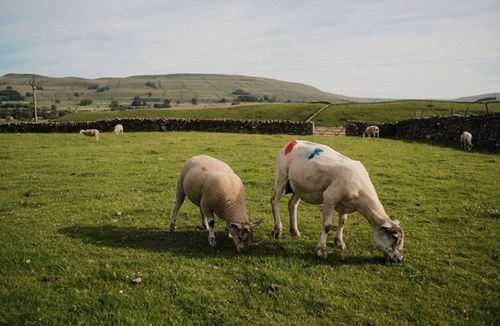
Nematodirus battus is a species of gastrointestinal worm that can cause scour, reduced growth rates and even death in naïve young lambs. It is the immature (non-egg producing) stages of the worm which cause disease; therefore, worm egg counts are not a useful tool in predicting and preventing losses due to Nematodirus.
The patterns of disease and infection with Nematodirus are changing due to evolution of the parasite in the UK climate, and with the warming global climate. We are increasingly seeing peaks in Nematodirus egg output from lambs in both spring and autumn. Pastures which carried lambs last spring are at greatest risk, and holding lambs off these fields until later in the summer can reduce infections.
However, even pastures which carried lambs in the previous autumn (18 months ago) cannot be considered reliably ‘clean’. Most eggs will lie dormant low down in the grass, or in the soil until the following spring, and so grazing adult animals or cows over these pastures will not reduce the risk of Nematodirus as the eggs are not consumed (but grazing will still help reduce the pasture burdens of other worms). Also, ensiling a paddock does not reduce the risk of Nematodirus the following year for the same reason.
Fields where lambs were grazed last year are likely to have a nematodirus larval challenge over the next month or so. The timing and impact of the Nematodirus hatch is individual to the field and the age of lambs grazing it. March born lambs are likely to be ingesting sufficient grass to be at risk of acute Nematodirus on contaminated pastures. In later lambing flocks, where lambs are not ingesting significant amounts of grass yet, the ewe’s may ‘clean’ the pasture somewhat as they graze, leading to a lesser risk of acute Nematodirosis in these lambs.
The free SCOPS Nematodirus forecast is available on the SCOPS website and provides an indication of the risk of disease due to Nematodirus in areas across the UK. Local conditions on your own farm should be considered as the hatch will be later on more elevated fields and those with a northerly aspect.
At the time of writing, several areas of Scotland are categorised as hatching being imminent. The risk of nematodirus will increase when the air temperature exceeds 11.5 °C for seven days and hatching of eggs on the pasture takes place. After hatching, larvae usually only survive for one to two months on the pasture before dying. The majority of Nematodirus diagnoses made by SRUC in Scotland fall in the months of May and June, usually in 6-12-week-old lambs.
Lambs with Nematodirosis often have scour and appear empty, although disease can occur suddenly with several deaths in a 24-hour period sometimes with little scour noted in the group.
Timing drenching for Nematodirus to coincide with the risk period is critical. Fixed time drenching (still common on many farms) may miss the risk period, occurring too early in a cold spring or too late in a warm one.
5 top tips
- Assess whether the pasture is likely to have a Nematodirus burden.
- Use SCOPS forecast to predict timing of the hatch on your farm.
- Assess if the hatch on your field/farm will likely coincide with when lambs are eating a significant amount of grass (6-12 weeks, younger if ewes are not milking well).
- Time treatment strategically to coincide with the period of risk.
- Investigate apparent treatment failure with worm/cocci egg counts or post-mortem examinations.
SRUC Veterinary Services, [email protected]
Posted by SAC Consulting on 20/05/2026
