

Bluetongue: Stay vigilant this autumn
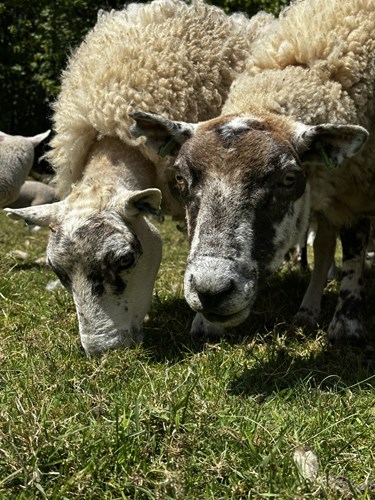
Bluetongue remains a growing concern for livestock keepers across the UK, with case numbers increasing significantly compared with last year. As of 16 August, there have been 447 confirmed cases of BTV-3 this summer, including four cases in Scotland, while a further 1,583 suspected cases are under investigation across the UK.
Bluetongue is a viral disease affecting ruminants including cattle, sheep and goats. It is primarily spread by biting midges, and we have had an unusually long spell of hot weather which will have been favourable for virus development within midges (the extrinsic incubation period). Reports from vet practices in affected areas suggest that some farms are seeing more severe clinical signs and higher losses than were experienced during 2025.
Clinical signs can vary considerably between animals and farms. In sheep, symptoms may include fever, lethargy, swelling of the face, ulcers around the mouth, lameness and difficulty breathing. In cattle, signs may be less obvious, making the disease harder to detect. Importantly, bluetongue can show similarities to foot-and-mouth disease. Both diseases are notifiable, meaning any suspicion must be reported immediately.
If you suspect bluetongue, contact the Animal and Plant Health Agency (APHA) on 03000 600 704.
With warm summer temperatures creating favourable conditions for midge activity, livestock keepers should remain alert over the coming months.
Vaccination remains the most effective way to reduce the risk of disease and limit its impact. Evidence from both cattle and sheep indicates that vaccination does not affect fertility or semen quality. Experiences from affected areas of England during 2025 also highlighted concerns around reproductive performance in unvaccinated herds, with some farmers reporting increased barren rates following disease circulation.
Producers in areas where bluetongue is widespread may increasingly seek vaccinated replacement stock, potentially influencing purchasing decisions as the disease continues to spread.
Livestock keepers should discuss vaccination options with their vet as part of their flock or herd health planning. It is also important to continue routine management practices, including shearing sheep as normal and maintaining close observation of stock for any signs of illness.
A range of practical resources is available to help farmers understand the disease, assess vaccination costs and support decision making. These include guidance from AHDB, the Ruminant Health & Welfare programme and NFU Scotland's current vaccine demand survey.
Five top tips
- Learn to recognise the signs of bluetongue and monitor stock closely.
- Report any suspected cases immediately to APHA.
- Speak to your vet about vaccination options.
- Continue normal flock management, including shearing sheep.
- Stay up to date with the latest disease situation, movement restrictions and purchase stock responsibly.
Useful resources
- Uk bluetongue updates
- AHDB bluetongue clinical signs guidance
- AHDB vaccination cost calculators
- AHDB bluetongue webinar
- Ruminant Health & Welfare bluetongue resources
- NFU Scotland vaccine demand survey
Heather Stevenson, SRUC Veterinary Investigation Officer, [email protected]
Posted by SAC Consulting on 17/08/2026
