

Ovine Abortion Diagnoses in Dumfries: What the 2026 Data Tells Us About Vaccination
As lambing season behind us, the latest ovine abortion data from the SRUC Veterinary Services Disease Surveillance Centre in Dumfries provides valuable insight into the causes of abortion seen in Scottish flocks this spring and the continuing role vaccination plays in disease control.
At first glance, the figures may appear discouraging. Enzootic abortion of ewes (EAE) and toxoplasmosis remain the two most commonly diagnosed causes of ovine abortion, much as they were a decade ago. However, a closer examination of the data paints a far more positive picture and highlights why vaccination remains a cornerstone of flock health management.
Looking Beyond the Headlines
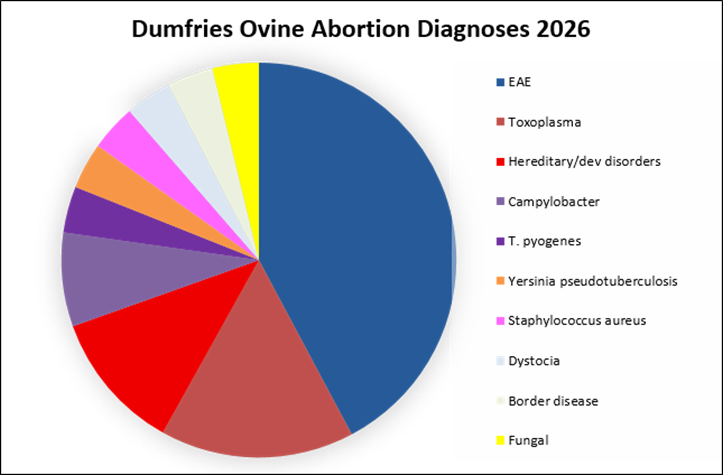
Figure 1 shows the breakdown of ovine abortion diagnoses made in Dumfries during spring 2026, while Figure 2 presents comparable data from 2015.
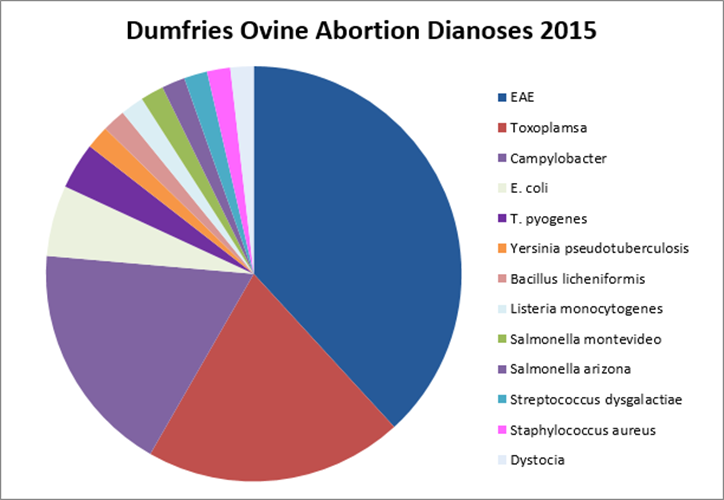
Although the leading diagnoses have changed little over the intervening years, it is important to recognise that these datasets are not directly comparable.
In 2015, 97 submissions were received from a mix of Scottish and English flocks. More than a third consisted of samples collected on farm, such as placentas, foetal stomach contents and foetal fluids. The overall diagnostic rate was 49.5%, rising to 54% when only foetal submissions were considered.
By contrast, in 2026 the surveillance programme examined 56 foetal submissions from Scottish flocks only. The diagnostic rate was slightly lower at 46%.
These differences in submission type and geographic scope mean care should be taken when interpreting trends over time.
EAE
EAE was diagnosed on 11 occasions this spring, affecting foetuses from nine separate flocks.
While this may initially raise questions about vaccine effectiveness, the submission histories tell a more nuanced story. Only four of the nine affected flocks were not vaccinating against EAE.
Of the six vaccinated ewes that subsequently aborted due to EAE, five had been vaccinated before tupping in autumn 2025. The most likely explanation is that these animals were already infected with Chlamydia abortus at the time of vaccination.
Veterinarians will be aware that the live EAE vaccine strain has long been recognised as having the potential, albeit rarely, to cause abortion. However, the benefits of vaccination substantially outweigh this low risk. In practice, abortions occurring in vaccinated animals are more commonly linked to exposure and infection before vaccination rather than vaccine failure.
This serves as an important reminder that vaccination should form part of a wider flock health strategy. Identifying replacement ewe sources, quarantine procedures, and the timing of vaccination all play a critical role in reducing disease risk.
Toxoplasmosis
Toxoplasmosis continues to be a significant cause of ovine abortion despite the availability of an effective vaccine.
As with EAE, the persistence of diagnoses does not necessarily indicate poor vaccine performance. Rather, it highlights the challenge of achieving consistent vaccine uptake across the national flock and ensuring that vaccination is delivered at the appropriate time.
Veterinary discussions with clients ahead of tupping remain an important opportunity to review abortion risks and encourage preventative health planning.
The Value of Diagnostic Submissions
The data also reinforces the importance of submitting aborted foetuses and placental material for investigation.
Without laboratory diagnosis, assumptions are often made about the cause of abortion, potentially resulting in inappropriate control measures and missed opportunities to protect flock health in future seasons.
Surveillance data not only supports individual flock investigations but also helps build a wider understanding of disease trends across the industry.
Key Messages for Veterinary Practices
As preparations begin for the next breeding season, the 2026 surveillance findings offer several useful reminders:
- EAE and toxoplasmosis remain leading causes of ovine abortion in Scotland.
- Apparent similarities with historical data may mask important differences in submission populations.
- Most EAE diagnoses this spring occurred in flocks with complex vaccination histories rather than straightforward vaccine failure.
- Vaccinating naïve replacements before exposure remains critical for effective disease control.
- Diagnostic investigations continue to provide essential evidence for flock-level decision making.
- Pre-tupping flock health reviews create valuable opportunities to discuss abortion prevention and vaccination strategies with sheep farmers.
Far from suggesting that vaccination programmes are failing, the 2026 data highlights the importance of timely vaccination, good biosecurity and ongoing veterinary involvement in flock health planning. For vets advising sheep clients this autumn, these findings provide a strong evidence-based starting point for conversations around abortion prevention and breeding flock health.
Posted by SRUC Veterinary Services on 21/09/2026
