

Mineral Bolusing in Sheep: Learning from Common Causes of Preventable Deaths
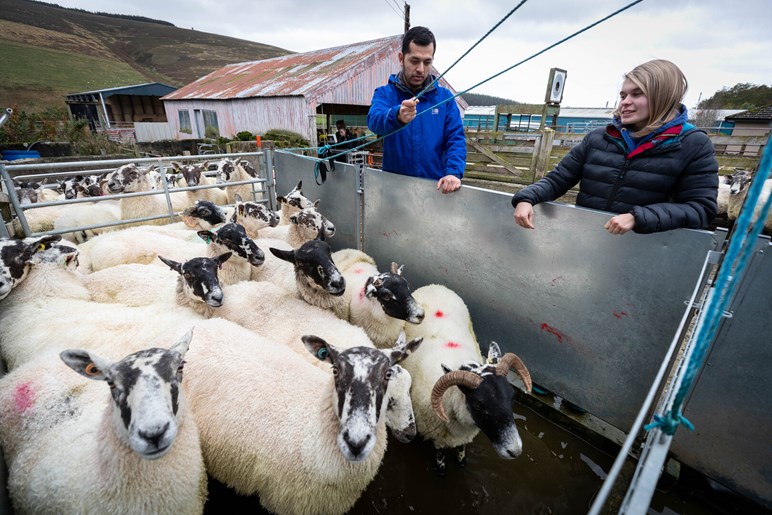
Mineral boluses are widely used to improve flock health, support productivity and address trace element deficiencies. However, each year SRUC investigates cases where sheep die following bolus administration, often due to preventable errors in product selection or administration technique.
Recent investigations involving multiple losses following mineral bolusing provide an important reminder of the risks associated with these products and the practical advice vets can share with clients ahead of the autumn and winter supplementation period.
Key Advice for Farmers
When discussing mineral supplementation with clients, remind them to:
- Ensure sheep are above the minimum weight specified by the manufacturer.
- Consider all dietary sources of copper before administering copper-containing boluses.
- Use only the bolus applicator recommended by the manufacturer.
- Check bolus guns regularly for damage, wear or sharp edges.
- Restrain animals correctly, keeping the head and neck in a straight line during administration.
- Place the bolus at the back of the tongue and avoid excessive force.
- Allow adequate time for bolusing sessions and avoid rushing large groups.
- Discontinue use of boluses that appear damaged, excessively fragile or have an unusual oily residue, and report concerns to the manufacturer.
- Avoid administering multiple treatments simultaneously unless specifically advised as safe by the manufacturer.
Although bolusing is intended to improve health and welfare, inappropriate use can result in significant losses. Post-mortem investigations repeatedly highlight three major issues: overdose, inadvertent intratracheal administration and pharyngeal trauma.
Overdose: More Common Than Many Realise
The growing range of mineral boluses available on the UK market offers producers flexibility, with products tailored to different ages, bodyweights and supplementation requirements. However, this variety can also increase the risk of administration errors.
Overdose cases most commonly occur when:
- Adult sheep boluses are administered to lambs or lightweight hill sheep.
- Two boluses are given instead of one, either accidentally or through routine practice.
- Copper-containing boluses are used alongside other dietary copper sources.
Copper toxicity remains a particular concern in susceptible breeds, including:
- Texel
- Lleyn
- Bluefaced Leicester
- North Ronaldsay
Where sheep are already receiving copper through concentrates, mineral licks or distillery co-products, the addition of a copper bolus can push total intake into a toxic range.
For vets investigating suspected toxicity, post-mortem examination can provide valuable evidence. Counting the number of boluses present within the rumen, recording body weight where possible, and collecting fresh liver and kidney samples for analysis can help confirm the diagnosis.
As with any suspected contamination or toxicity incident involving food-producing animals, cases should be reported to Food Standards Scotland. Cases submitted to SRUC will be reported through the Veterinary Investigation Officer (VIO) network where appropriate.
Intratracheal Administration: A Hidden Risk
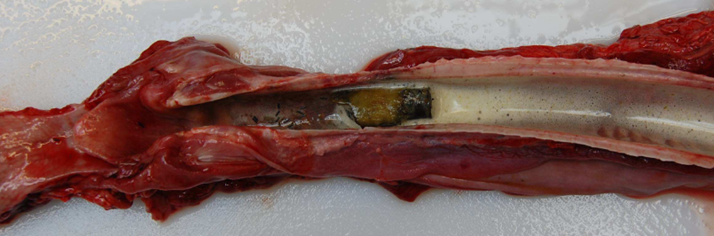
One of the most striking findings encountered during post-mortem examination is the presence of a bolus within the trachea.
While many farmers assume inhalation of a bolus would result in immediate death, this is often not the case. The airway is rarely completely obstructed, and affected animals may survive for several hours before being found dead the following day.
Administration technique is critical. The risk appears to increase when:
- The sheep's head is extended upwards.
- The bolus gun is angled downwards (ventrally) within the pharynx.
- Animals are struggling or breathing heavily during restraint.
Careful positioning of the head and neck in a straight line helps reduce the likelihood of accidental placement into the airway.
Post-mortem diagnosis is usually straightforward, provided the entire length of the trachea is examined. In one recent submission, seven out of 400 ewes died within 24 hours of bolus administration due to tracheal placement of the bolus.
Pharyngeal Trauma: The Long-Term Consequence
Another common finding is trauma to the soft tissues of the pharynx caused by the bolus or applicator gun.
Unlike intratracheal administration, these injuries do not usually cause immediate death. Instead, affected animals may deteriorate over days or weeks due to:
- Secondary bacterial infection.
- Abscess formation.
- Difficulty swallowing.
- Reduced feed intake.
Practitioners may encounter these cases long after the original bolusing event, with sheep presenting with swellings around the angle of the jaw or between the mandibles.
Aspiration of dark, metallic material, often mixed with purulent exudate, is highly suggestive of bolus-associated injury.
For producers, visualising these lesions during post-mortem examination can be particularly impactful and often reinforces the importance of correct administration technique more effectively than verbal advice alone.
The Role of the Vet
Mineral boluses remain a valuable tool for addressing trace element deficiencies and supporting flock performance. However, the cases submitted to SRUC each year demonstrate that successful outcomes depend on selecting the correct product, administering it appropriately and considering the wider nutritional picture.
As supplementation plans are reviewed this autumn, vets can play a key role in helping clients assess mineral requirements, avoid excessive copper exposure and refine bolusing techniques. A brief conversation before boluses are ordered may prevent significant losses and ensure these products deliver their intended health and welfare benefits.
Key Take-Home Messages
- Always check liveweight recommendations before bolusing.
- Consider all sources of copper in the ration.
- Use the correct, well-maintained applicator gun.
- Keep the head and neck in a straight position during administration.
- Never rush bolusing procedures.
- Investigate unexpected deaths following bolusing promptly.
- Post-mortem examination can quickly identify overdose, aspiration or trauma-related complications.
While mineral boluses are generally safe and effective when used correctly, surveillance findings continue to show that attention to product choice, technique and flock management remains essential to preventing avoidable losses.
Posted by SRUC Veterinary Services on 21/09/2026
