

Maximising performance at grass
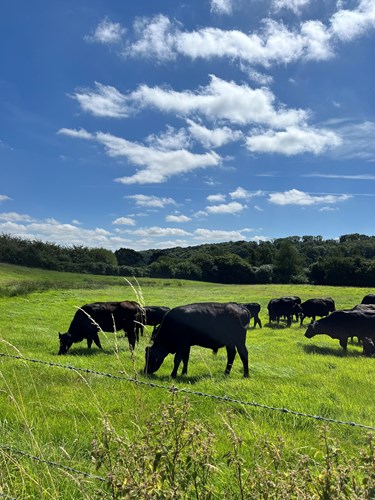
Efficient grassland management is key to profitable cattle production. Having the ability to maximise performance from grazed grass can significantly reduce feed costs while maintaining high outputs.
Monitoring grass
For most systems grass is the cheapest and most readily available feed, however, its value can differ depending on a variety of factors such as species, soil type, and weather conditions. Monitoring grass cover, sward growth and nutritional supply are all essential practices for ensuring grass is grazed at the optimum stage.
Providing good quality grass for the whole of the summer period requires attention to detail at initial turn out. Managing grazing throughout the season can help to optimise growth and potentially reduce levels of additional supplementation required. Target sward heights vary depending on grazing systems.
Recommended optimum grazing levels
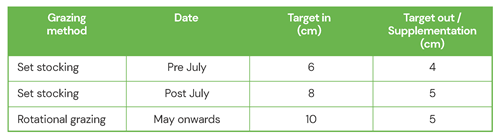
Source: Forage Based Suckler Systems
Grazing systems
Choosing the correct grazing system for your business is key. Rotational grazing allows greater forage utilisation and rest periods allowing for dry matter to build on farm while better protecting soil structure. Continuous grazing, whilst it is often simpler, can lead to inconsistent quality and lower productivity per hectare but if managed properly can still lead to good performance of livestock as they have greater opportunity for selective grazing.
Matching the stocking rate to the supply of grass ensures that the ground is not being under or over grazed. Overstocking can lead to damaged swards and soil structure whereas understocking can reduce grass nutrient availability and digestibility. Monitoring this across the grazing season will allow adjustments to be made as and when required.
When managing your system, groupings should also be taken into consideration. Better quality grazing should be prioritised for animals that need it most such as growing cattle as these have a higher nutritional requirement compared to mature stock.
Soil fertility
Good soil fertility is the foundation of productive forage systems. Regular soil analysis can benefit all farming systems by increasing the efficient use of chemical fertilisers, livestock slurry and farmyard manures. Without soil testing, it is very difficult to ensure the right application of fertilisers for the crop and get the optimum yield. Soil analysis is now one of the five options required as part of the Whole Farm Plan (WFP), with regular soil testing giving valuable information, it is essential for soil quality improvement and to ensure that you maintain productive pastures.
Supplementation
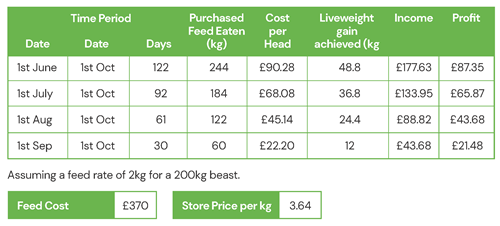
While grass can meet most nutritional requirements during peak growth, supplementation may be required during periods of low growth such as during drought or towards the end of the season where quality starts to decline. Use of concentrates should be strategic to help maintain performance without undermining the cost benefits of grazing. The table below illustrates additional costs of starting supplementation at the varying stages of grazing.
Water and minerals
Providing a clean and accessible water supply during grazing is also key to cattle performance. Regardless of grazing system, water must be available whether this be permanent structure or temporary. Cattle spend most of their grazing time close to a water source especially during periods of hot weather when there is less available water from grazing, so if you can provide more than one trough or move them around it can reduce over grazing of areas and give a better utilisation of the field. The daily water requirement for a growing yearling is around 14 litres per day, coming from their diet as well as drinking.
Mineral imbalances in grass or trace element deficiencies can limit growth and health in youngstock. It is important to determine whether additional minerals are required. Testing forage can be a useful tool to determine if there are any mineral deficiencies in grazing or high levels of antagonists that may reduce availability to the animal. This will help make more informed decisions if supplementation is needed to meet the requirements of the cattle, particularly during periods of high demand such as growth. It also helps ensure that mineral levels are not excessive, avoiding the risk of toxicity.
5 top tips:
- Monitor grass growth – aim to graze at the right stage of growth to maximise intake and animal performance. Consider making hay/silage in periods of surplus grass to maintain quality.
- Evaluate grazing systems – consider rotational grazing to improve grass utilisation and productivity.
- Maintain soil fertility – carry out regular soil testing to ensure applications are correctly targeted.
- Supplementation – don’t wait for performance to drop, introduce supplements intentionally during periods of grass shortage.
- Water and minerals – ensure constant clean water supply and consider testing forage for deficiencies or over supply of nutrients.
Olivia Whitford, Consultant, [email protected]
Posted by Unearthed News on 18/05/2026
