

Crop updates: late May 2026
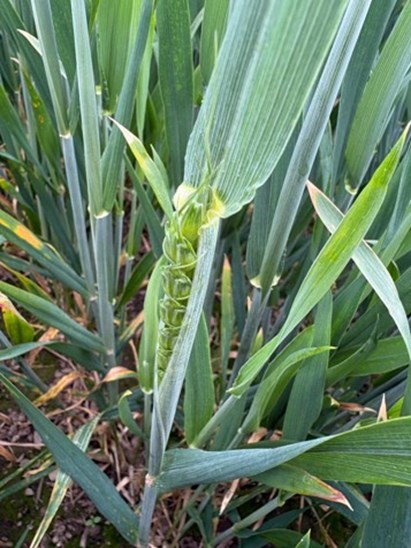
Our regular round up of the issues affecting crops around Scotland, summarises how crops are developing and what weather and other issues are affecting them. The update provides information on the progress with key field work activities as well as news on the pest, weed and disease problems being noted in crops. The health issues being seen in crops are a key part of the topical update and lets growers and agronomists adjust management practices appropriately.
22 May 2026
General Comments
Although disease pressure in general appears under control, conditions are currently conducive for yellow rust, and just how much latent septoria is yet to express itself is difficult to ascertain. Getting out into the fields and identifying the level of disease pressure on your own farm will help inform your best T2 product choice. For spring barleys, yield may be the main driver if malting contracts haven’t been secured, so consider the merits of a T1 fungicide if previously a single fungicide programme has been the approach.
Regional Comments
ORKNEY
Temperatures have remained very low for the time of year and as a result the growth of spring barley has been slow. Crops seem stuck at the 2 to 3 leaf stage and purple discoloration is not uncommon. Grass is also suffering. Few cattle have been turned out and those that have are consuming it much faster than it is growing. There is some concern that the delayed turnout will push more cattle over the 410 day calving interval and reduce headage payments.
CAITHNESS
A fairly poor period weatherwise with colder winds being the order of the day. Crops are doing ok with some starting to struggle with some top dressing being applied making small improvements. There was some welcome rain which certainly improved things towards the end of the period. Grassland is also suffering with the colder spell, and this has resulted in a lot of cattle still being housed, putting further pressure on depleted fodder stocks.
INVERNESS
Over the past two weeks, the weather around Inverness has been unsettled starting cool and damp, and breezy, before gradually improving to being dry with sunnier spells. Temperatures have mostly been around 10 early on to around 15 toward the afternoon, while nights stayed cool at roughly 3–7 and cool. The winter crops are looking healthy and continuing to develop well into the later growth stages now. Winter OSR is moving through flowering and is at full flower stage and the pods now beginning to develop - the second mid flower spray will be going on this week as flowering declines. In the winter barley the awns are fully through, and the ear is starting to emerge, all sprays have now been complete and waiting for some sun. Winter wheat is also looking good with the flag leaf has fully emerged. There are no signs of rhynchosporium or mildew disease in the winter barley, winter wheat and WOSR are clean but old septoria is present in the lower leaves of the winter wheat. No presence of weeds currently in the winter crops. Spring barley is now through, with some at an earlier stage than others -conditions for spring barley have been good with some warmer spells and showers helping establish the crop. There is some presence of weeds within the spring barley crops, however nothing which will cause significant issue. The first weed sprays will be going on this week to the early sown crops with some forward crop at GS 31 being sprayed this week which will include a fungicide. Over the upcoming 2 weeks the weather is expected to become milder and more settled, with temperatures in the late teens to early twenties. Some showery spells are expected with this coupled with the water temperatures will give some nice growthy conditions for both the spring and winter crops.
ABERDEENSHIRE
Wet weather this week is hampering spraying but will be encouraging a good flush of weeds in spring crops. No shortage of moisture this season....he says!! I hope it doesn’t continue like this! Spring barley crops are at various growth stages depending on sowing date, but most are at tillering and beginning to cover all the ground, with top dressings of fertiliser washed in. Herbicides on spring barley are getting applied now. The heads have emerged in Winter barley now with T2 flag leaf/booting stage fungicides having been applied, as the wet weather has fostered a higher level of disease than last year at this time. Flag leaves in winter wheat are beginning to emerge also but feel as though they have been slow to emerge due to the cold weather. The Gab of May feels like it doesn’t want to go away this year! Again, the colder wetter weather has caused more disease to prevail and septoria can be seen in the lower leaves. Tattie planting however has been going on at pace with neat dreels being formed in parks throughout the area.
BANFF & BUCHAN
Following a drier than usual March and April, May is much more normal with a mix of sun, wind and showers with the odd rumble of thunder thrown in for good measure. Oilseed rape is now beginning to lose its bright yellow lustre with mid flower sprays having been applied. Winter barley crops range from awns peeping to full ear emergence and remain fairly clean although are quite short. Flag leaves are just appearing in winter wheat and again, crops remain remarkably clean and free from disease. Spring crops had taken a while to get going although the combination of rain and sun over the past ten days has seen them make good progress with weed sprays and fungicides now being applied. Potato planting is now all but finished with attention turning to sowing fodder crops and new grass leys.
The new EFA options have provided food for thought and establishment of eligible covers for fallow and herbal leys is being undertaken, with the recent rains providing some welcome moisture. Concerns over input supplies and prices remain however some uplift in grain future markets is providing some much-needed hope for the season ahead. Grain continues to move off farm although for the feed market and not the premium malting market it was intended for, although some growers are finding more grain in the shed than expected, helping reduce the shortfall in income for the year.
FORFAR
Regular showers are keeping crops growing although cooler temperatures are keeping the pace down. Winter oilseed rape is now towards the end of flowering and into pod set. Winter wheats are just pushing out the flag leaf and coming to the main T2 fungicide timing with yellow rust mostly under control from previous fungicide applications. Spring barleys are now around GS 30 having received herbicide and trace elements and now getting T1 fungicides applied.
PERTHSHIRE
WOSR is coming to the end of a relatively long flowering period and has moisture it’s feet if the sun comes back to fill the pods out. Spring barleys range from 3 leaf stage through to GS 30 and mostly look well. Chocolate spot pressure remains high in winter beans, winter barley is at ear emergence, and wheat is heading towards flag leaf emerging
FIFE
Spring cereals have emerged well and welcome the 20ish millimetres of rain they have had on 19th May. Disease levels in SB are low, but weeds are rampant where no pre-em was applied. WB head sprays are being applied, only the odd spot of Rhynchosporium to be found lower down in the canopy. WW crops are approaching T2 applications with flag leaf tip visible in most and half emerged in the most advanced fields. Yellow rust is starting to appear in some wheats on leaf 3 which will increase the required spend for the T2. Spring beans are growing well and weed control seems to be satisfactory. WOSR crops have had their mid-flowering spray over the last couple of days and are looking well.
STIRLINGSHIRE
The past fortnight has brought more settled weather, although low night-time temperatures are still being felt. This has become evident in some crops, with purpling of the leaves indicating reduced phosphorus uptake. Overall, crops are looking relatively clean, although slower growth has been noted, particularly in winter wheat. Winter barley has now started to flower, while the earliest spring barley crops are just beginning to tiller. Flowering is now mostly complete in oilseed rape crops, with pods beginning to fill and reach their full size.
LOTHIANS
With temperatures certainly feeling lower than the norm for this time of year it's not surprising that crop development has slowed. Apart from localised showers we haven't seen any persistent rain and most areas will only have seen 20-30mm so far this month. Spraying opportunities have been somewhat limited and there will be some T2’s outstanding in winter barleys. Flag leaves in wheats are at various stages of emergence and both septoria and yellow rust, one feels, remain very much a threat for containment with T2 tank mixes. We’ve seen a second year of prolonged flowering in oilseed rape with good pod set. Hopefully the same will be set for beans especially with warmer weather forecast over the coming weeks. Spring barleys will soon be approaching T1 timings and there’s a plethora of broad-leaved weeds to control where pre-emergence herbicides were not applied
BORDERS
Cool air and soil temperatures have slowed growth over the last 10 days and the prospect of warmer weather with a few showers will be welcomed by crop and grass grower alike. Oilseed rape is coming to the end of flowering and seeds are starting to develop, winter barley has heads emerged and flowering, wheat flag leaf is extending in earlier sown crops and emerging in most others. March sown spring cereals are looking well with multiple tillers and approaching GS31 with a good flush of weeds. Some later sown crops have split germination and require moisture to develop and fill the gaps. In wheat active disease levels remain low with septoria confined to the old base leaves. Where rust was previously present it has not developed on the newer leaves, mildew is present on stem bases in some crops. Many crops of winter barley are showing BYDV symptoms, but Rhynchosporium and net blotch are at low levels. Mildew is present in spring oats and barley is currently free from any disease. Sprayers will be busy in the coming week with weed control in spring cereals and T2 on wheat.
LANARKSHIRE
Although, still not at high for this time of year, temperatures are rising and plant growth is more obvious. Winter crops are growing well, and spring sown crops are germinating and through the ground. Spring sowing dates have varied across the region with some crops going in the ground as late as early May. Unsettled weather has meant that chances for fertiliser and plant protection applications have been few and far between. Several dairy farms have managed to make use of the spells of good weather and have taken first cut silage in recent weeks. With the boost in grass growth livestock has been seen returning out to pasture. A small hectarage of potatoes are currently being planted in Lanarkshire and Oilseed rape has reached the flowering stage with a number of bright, yellow fields spotted across the region.
AYRSHIRE
Swings and roundabouts – this last fortnight has been noticeably cooler than in the last report. We’ve also seen much more rain, which has been needed to wash in fertiliser and push on spring sown crops in particular. The spring barley has moved on a fair bit and more bulk about it (GS13) but some fields do have issues with cleavers and groundsel. The winter barley has really pushed on (GS43) and is generally looking well.
Posted by SRUC on 02/06/2026
