

Crop updates: late June 2026
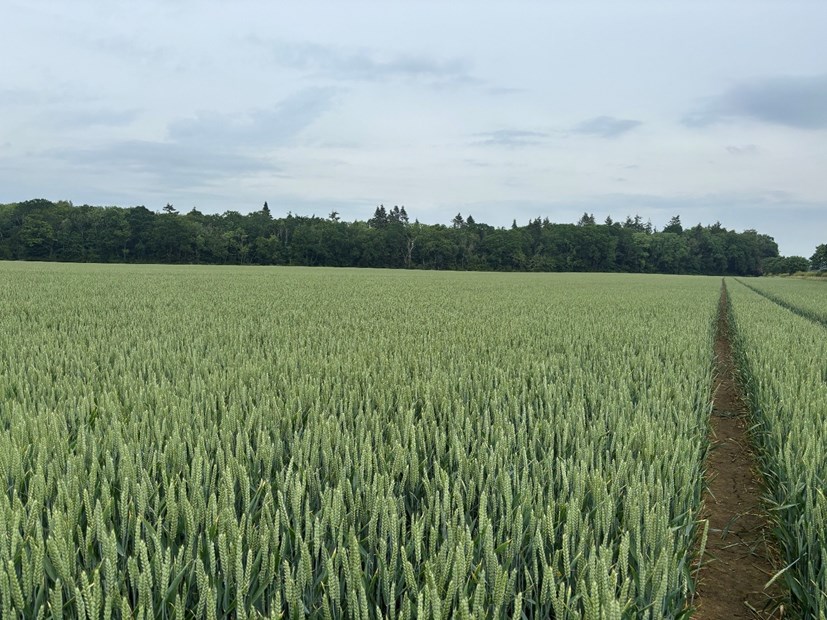
Our regular round up of the issues affecting crops around Scotland, summarises how crops are developing and what weather and other issues are affecting them. The update provides information on the progress with key field work activities as well as news on the pest, weed and disease problems being noted in crops. The health issues being seen in crops are a key part of the topical update and lets growers and agronomists adjust management practices appropriately.
19 June 2026
General Comments
After a period of rapid growth due, to the warm and wet weather, a spell of more settled weather is welcome so that T2s in Spring Barley and T3s in winter wheat can be applied in a timely manner. Aphid numbers continue to increase and as the weather warms up again a watch should be kept for colonies establishing, once colonies can be found on 50% of plants an aphicide should be considered. We hope to see many of you at the Highland Show over the next 4 days.
Regional Comments
ORKNEY
The weather has been very unsettled, with back-to-back days with no rain proving a rarity. Heavy downpours have turned the spring barley yellow where the water has been slow to filter away. Ramularia is also present in many crops and spray contractors are struggling to find windows to get their work done. Similarly, the number of farmers ready to make silage is increasing as they hold off for better conditions. Grass however is growing quite well unlike this time last year when there was too little rain.
CAITHNESS
A real mixed bag of weather over the period has caused a real headache for spraying, both ground conditions and wet and windy weather has hindered field operations. That said, a lot of spraying has been completed in the last few days but has been catchy. Crops are looking good as they have benefited from the rain followed by some warm spells. Winter barley fields are looking very well with the furthest advanced starting to flower. Silage making has now kicked off in the area with initial yields looking favourable.
MORAY
As the first half of June brought unsettled and very changeable weather conditions featuring showery downpours and some persistent rain it seems that spring barley crops on Morayshire’s light sandy soils, in particular have benefited as crops have jumped ahead and are now at flag leaf and booting stage. Most crops are well tillered and thick, but disease pressure is rising with rynchosporium levels in particular increasing. Heads on winter barley crops are starting to fill with most crops look to have good potential. Winter wheat is starting to flower, and many crops have had or are about to receive their head spray. Pods on winter oilseed rape crops are starting to fill with good numbers of pods on most crops. Potato crops are now starting to fill out with many plants meeting along the drills in several crops.
INVERNESS
Over the past two weeks, the weather around Inverness the weather has been very mixed, with heavy showers and brighter sunny spells in between. Temperatures have ranged from around 6°C at night to high teens during the afternoons, with conditions staying mild but very changeable overall. The winter crops are progressing well with winter barley now at the milk development stage and is looking healthy overall. Winter oilseed rape is also developing well through the seed development stages, with seeds now fully green. Winter wheat is performing well with ears now fully emerged, although there is a small amount of mildew present within some crops. Spring barley is also progressing well overall, although the later sown crops are slightly behind the earlier drilled fields. The furthest on crops are now beginning to show awns, while the later sown crops are well through stem elongation with the third node now visible. Weather conditions have generally been favourable, and the warm wet weather forecast ahead should help further crop development and progression. The final fungicide spray is now being applied to the spring barley and winter wheat crops. Over the next two weeks, the weather around Inverness is forecasted to stay mixed, with some sunny and warmer days along with cloudier periods and a few showers. Temperatures will likely maintain in the high teens during the afternoons, with cooler nights to be expected, although it should stay mild overall.
ABERDEENSHIRE
The last fortnight has been a trying time if you’ve been attempting to spray crops or make silage and has been testing the patience of a saint! The wet, windy and unsettled weather interspersed with the odd fine day has seen spray timings compromised and silage crops delayed as farmers try to cope with the weather conditions. The joys of farming I hear you say!!! Disease pressure has therefore been quite high and Septoria has been seen in winter wheat and Rhynchosporium in barley crops. Mildew has also been spotted in some bits too. Tatties are emerging with rapid haulm growth seen in the earlier sown crops. Early reports from those making silage suggest there are big yields, but this is probably due to the wetter growthier year compared to last year and delays leading to more bulk. Silage analyses later in the year will let us know how much the quality has been affected.
BANFF & BUCHAN
The weather continues to be very mixed and while this is seeing lots of growth, it is also causing headaches for arable farmers and livestock farmers alike as they look to keep up with spraying and silage work respectively. Winter barleys will soon be changing colour and will be looking for plenty of sunshine for grain fill with winter oilseed rapes having lost their flowers with pods starting to fill. Winter Wheats are approaching T3 with disease remaining at the base of the plant for the meantime with the flag leaf staying nice and clean. Spring barley crops are now receiving their T2 sprays, which is earlier than normal and remain free from disease. Some crops are looking very lush, and PGR may be required in some cases. Potatoes have now emerged and are making good progress. Silage making continues and the weather has ensured crops have bulked up well, although the high yields are also in part due to delayed cutting and there is also concern about ground conditions both in terms of contamination and compaction.
KINCARDINSHIRE
A very mixed spell of weather with cooler conditions has seen crop growth slow slightly. There have been some extremely sharp heavy showers with some areas receiving 20mm+ in 30 mins. Fortunately grain heads in winter crops are not too heavy at this stage and crops have remained upright. Winter barley is at the cheesy ripe stage, and disease control looks to be good. Winter wheat is at the head fully emerged/ start of flowering and is looking full of potential. There is a difference in varieties with the level of yellow rust in crops with those of a lower disease rating showing a bit more disease. Any misses with the sprayer are very evident. There are some signs of BYDV at low levels in wheat in the south of the area. Winter oilseed rape looks to be a good crop with a deep band of pods on most crops. Spring barley is at awns peeping stage to head half out and is clean of disease. Crops are thicker this year with the damper weather and are full of potential. Some crops especially later sown are showing symptoms of BYDV. The early planted potatoes are meeting across the drills. With later planted just emerging. Grass growth is good in the area but silage making is becoming a frustrating affair with very localised showers hampering progress.
FORFAR
Warm and wet weather is making for good growing conditions but making spraying quite tricky. However most have found enough windows to keep reasonably up to date with spray recommendations and crops look good and healthy and quite lush. Any misses with a sprayer on wheat this year tend to stand out like a sore thumb as they turn yellow with yellow rust which shows the pressure which chemicals are controlling. Winter oilseed rape is now into pod filling; winter wheat is flowering and receiving T3 fungicides and winter barley is at soft dough and BYDV can be found in many winter wheat and barley crops. Spring barley is now at ears emerging having received final fungicides, some of which required the addition of growth regulators as they look much thicker this year with sufficient moisture to keep them growing.
PERTHSHIRE
Crops look good and healthy this year with plenty of water in the soil to support growth and a hot spell would now be welcome to help fill out grains. The last of any flowers have dropped of oilseed rape and the pods are now well developed with seeds swelling. Winter wheat crops are now mostly flowering with yellow rust having been kept under control with robust spray programs. Winter barley crops are now beginning to change colour as thoughts turn towards harvest. Spring barleys are growing rapidly with later sown crops closing the gap to the early sown crops and range from awns peeping to ear emergence with cereal leaf miners appearing in many crops.
FIFE
After the recent rain and warm weather all crops are looking very vigorous. Winter wheats are having their T3 head sprays applied, some were found to have active yellow rust appearing though most were okay. SB T2 fungicides are planned for application in the next 10 days, with only very low levels of rhynchosporium seen in the bases of a couple of fields. Spring Field Beans are now at mid-flowering, low level of chocolate spot can be found in field, plenty of bee activity can be found around the flowers. Oilseed rape is setting pods and looking healthy too. If we can just book a night a week of persistent light rain through till about mid/late July, that would be fantastic.
STIRLINGSHIRE
With the recent wet weather and increased humidity, mildew has started to creep back into winter oat crops, particularly in thicker areas where moisture has lingered. Disease levels remain relatively low, however, and all other crops are looking clean with no significant disease concerns at present. Winter barley has now reached the dough stage, with leaves beginning their natural senescence as crops continue through grain fill. Spring barley has flag leaves fully emerged and remains in good condition, while winter wheat is currently in the middle of flowering.
BORDERS
Whilst the weather has been more unsettled the rainfall for June remains below average for most grower unless they caught one of the localise thunderstorms! In winter crops, rape seeds are green and well formed, wheat is flowering, barley is at milky ripe/early dough and oats watery ripe. In spring crops heads are emerging in both barley and oats. In wheat T3 head sprays application have been ongoing in the last 10 days. Yellow rust remains active in many crops at varying levels of infection, septoria and mildew are present, but remains on lower leaves and stems. Some last-minute growth regulator has been applied to lush crops of spring oats and barley and most T2 will have been applied in the last week. Both crops upper leaves are free from disease.
LANARKSHIRE
The weather remains a key topic of conversation in recent weeks. Rising temperatures mixed with sunshine and showers have allowed crops to develop at rapid pace. Generally, crops are looking pretty clean. Spring barley crops have reached the growth stage of flag leaf emergence. Silage operations continue throughout the breaks in rain with mixed reports on bulk. The forecast continues to look mixed which may result in plants experience stress conditions, hopefully this is short lived and there is an improvement in weather as we move through the latter stages of June.
DUMFRIES AND GALLOWAY
Winter barley crops across the region are currently around growth stage 83 and are generally very clean, with little disease present. Yield potential looks promising despite many fields having thinner patches caused by waterlogging during late autumn and early winter. Spring barley crops are around growth stage 54 and are looking excellent. The favourable spring growing conditions have resulted in exceptional crop growth, with crops performing as well as could be expected. Disease levels remain relatively low, particularly given the warm humid weather we have been having recently. Grass growth has also been outstanding this season. Dairy farms are now moving onto their second cut silage, while beef farmers are taking their first cuts. Silage yields have been excellent, with the main challenge being finding sufficient dry weather windows to harvest and ensile the crop in ideal conditions.
Posted by SRUC on 29/06/2026
