

Important Reminder: Storage of faecal samples from cull animals awaiting Johne’s ELISA results
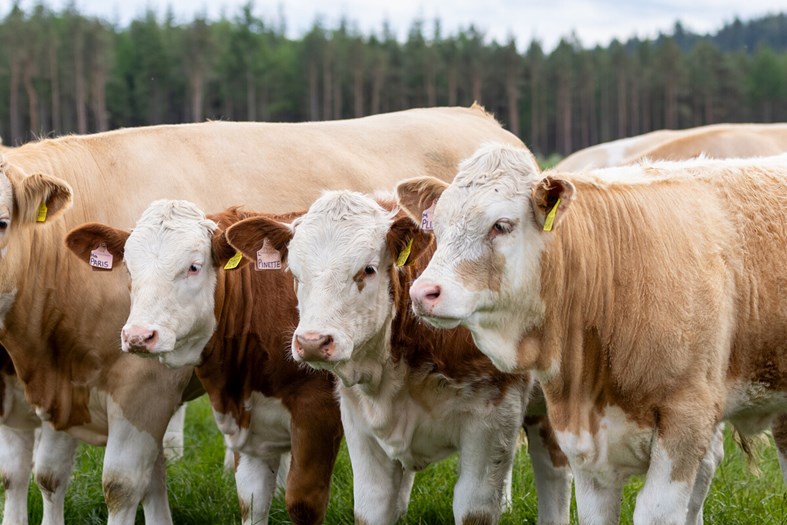
As part of your routine PCHS Johne’s accreditation testing, we’d like to remind all members of the importance of collecting a faecal (muck) sample at the time of culling for any animal whose Johne’s ELISA result is still pending. This may be necessary if you plan to cull animals within a couple of weeks of doing your annual herd test, before you have received the test results. This small step can make a big difference to your herd’s Johne’s risk‑level status.
Why it matters
Johne’s ELISA tests are highly specific, with very few false positives (the specificity of the test is over 99%).
However, on the rare occasions when an ELISA‑positive result might be disputed; confirmation is needed using a faecal PCR test. PCR detects the genetic material of the organism directly, confirming whether the animal is shedding the Johne’s bacteria.
The risk to your accreditation
If an animal returns a positive ELISA result after they have already been culled and no faecal sample was stored, a confirmatory PCR test cannot be carried out.
Without a negative PCR result, the animal is considered test positive under PCHS and CHECS rules, which may negatively impact your herd’s Johne’s Risk Level certification (risk levels 1–5 depend on the number of positives recorded).
What to do
- Ask your vet in advance to collect and store a faecal sample when any animal due for culling is awaiting Johne’s ELISA results.
- Faecal samples must be at least 10g and submitted in individual lidded containers. If more than one animal is being sampled, gloves must be changed between samples to minimise the risk of contamination.
- If the ELISA test later comes back positive, the stored sample can immediately be submitted for PCR.
Annual Johne’s testing requires careful documentation and management. Ensuring faecal samples are available for PCR when needed means herds will receive the correct risk level status.
If you have any questions about sampling, testing, or your herd's current risk level, please contact your veterinary practice or the PCHS team.
Posted by SRUC Veterinary Services on 20/07/2026
