

The (S)EUROP Sheep Carcase Classification Scale Explained
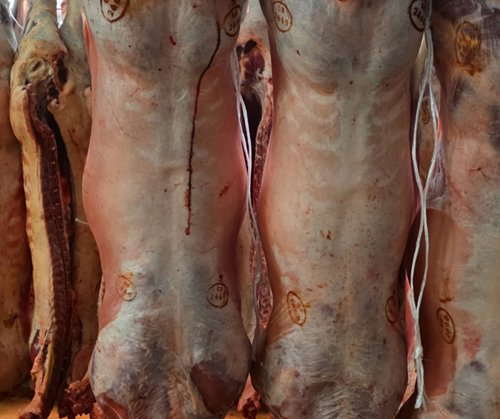
Until now, it has not been mandatory for abattoirs to report sheep carcass data. Most abattoirs do classify sheep, and some voluntarily provide data to AHDB for reporting. However, due to the lack of standardisation of carcass grading in sheep, reporting can be difficult due to variations in dressing and weighing. This also causes complications for farmers and wholesale, as lambs could potentially end up as different deadweight depending on how they are dressed, which then has a knock-on effect on the price paid or received.
As of January 2026, Scotland, England and Wales have introduced mandatory standards and reporting for sheep classification, which are relevant to abattoirs over a certain size (numbers vary per nation).
Many abattoirs will already have been using the EUROP grid for sheep classification, although this was not mandatory. EU legislation has referred to the (S)EUROP grid since the 1990s, but in the UK many processors have stuck to the EUROP grid, as the “S” element was optional. In contrast, some abattoirs on continental Europe have been using the (S)EUROP system for decades.
Using the S (superior) conformation class has become mandatory as part of the legislation introduced in 2026. The S stands for superior - a conformation class above E, which represents excellent. This is aimed specifically at double muscled breeds, with extreme characteristics.
Double muscled breeds most notably include Texel and Beltex, now very common terminal sire breeds here in the UK, originating from The Netherlands and Belgium. In 2020 it was estimated at almost one third of ewes were bred to Texel, Beltex or Texel/Beltex cross rams. This is a huge change from the 1970s, when Texels first started to arrive in the UK, and Suffolks were at the time the terminal sire breed of choice. Since the arrival of the Texel in the UK 50 years ago, selective breeding increased the musculature of the breed, meaning further increased yields.
The addition of S to the EUROP grading system allows for these highly muscled lambs to be recognised, and assigned an S classification, for which some abattoirs are offering a p/kg bonus.
The image below shows the (S)EUROP conformation classes:
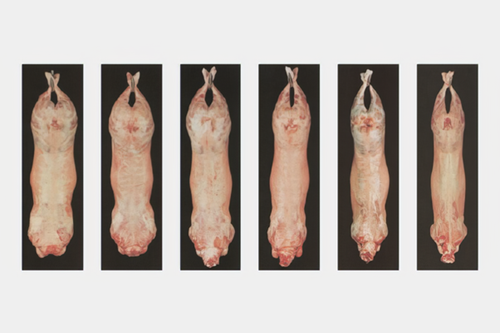
From left to right: S - Superior, E - Excellent, U - Very good, R - Good, O - Fair, P - Poor.
The improved alignment of carcass classification will ensure that carcass value will more accurately reflect animal conformation and the types of lambs being produced. As the sector adapts to these changes, the consistent application of the (S)EUROP scale will play an important role in supporting farm efficiency.
Quianne Reijnen, Agricultural Consultant, Quianne.Reijen@sac.co.uk
Posted by Unearthed News on 13/07/2022
