

Managing Persistent Pneumonia
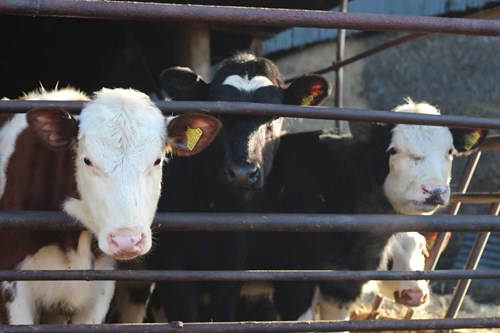
Pneumonia remains one of the most pervasive health challenges affecting suckler herds across Scotland, with the impact extending far beyond short-term disease episodes. While acute outbreaks of calf pneumonia continue to attract attention due to their association with sudden mortality, it is the persistent and chronic forms of respiratory disease that often exert the greatest long-term toll on productivity, welfare, and farm profitability. Recent data indicating that approximately one fifth of calf mortalities in Scottish systems are attributed to pneumonia highlights the scale of the problem, but this figure likely underestimates the true burden when chronic disease and reduced lifetime performance are considered.
In many herds, pneumonia should not be viewed as a single, isolated event. Instead, it reflects a complex interaction between infectious pathogens, calf immunity, environmental conditions, and cumulative management stressors. When early respiratory disease is inadequately treated, diagnosed late, or occurs repeatedly, calves may fail to fully recover. The result is persistent lung damage that continues to compromise performance long after overt clinical signs have disappeared. Addressing chronic pneumonia and associated ill-thrift therefore requires a strategic approach based on accurate diagnosis, structured decision-making, and welfare-led herd health planning rather than reactive treatment alone.
Bovine respiratory disease initially develops when viral and bacterial pathogens invade the lower respiratory tract, particularly in calves whose immune defenses are weakened by stress, poor ventilation, nutritional deficits, or concurrent disease. Acute cases may present with fever, coughing, nasal discharge and increased respiratory effort. However, calves that progress to chronic pneumonia often move beyond this classical picture. Once the acute phase has passed, obvious respiratory signs frequently subside, creating a false impression of recovery.
Persistent pneumonia in beef calves represents a significant and often underestimated challenge for Scottish producers. Rather than coughing or showing marked respiratory distress, chronically affected calves typically present with sub-optimal growth rates, poor feed conversion, lethargy, and general ill- thrift. These animals may appear clinically “quiet” but consistently underperform when compared with healthy stock. Over time, this ill-thrift becomes increasingly evident, particularly at weaning, and finishing, when production targets are not met.
The underlying pathology in these cases is ongoing lung damage following an initial pneumonia episode that has failed to fully resolve. Calves affected in this way are often described as “respiratory cripples” - animals that survive but never achieve their full genetic or production potential. Compromised lung function also reduces resilience to common stressors such as weaning, housing, adverse weather, and handling.
Furthermore, calves with chronic lung damage are significantly more susceptible to subsequent infections, both respiratory and systemic. The immune system remains under constant challenge, increasing the likelihood of repeat disease episodes, prolonged treatment courses, and increased antimicrobial use. These animals often contribute disproportionately to veterinary costs while delivering poorer lifetime performance.
Diagnosis
Accurate and timely diagnosis is foundational to managing persistent respiratory disease. Several diagnostic tools and sampling strategies help identify both disease presence and the underlying causes:
- Clinical monitoring
Routine monitoring remains essential, but in chronic cases the emphasis should be on detecting poor growth, reduced thrive, and recurrent setbacks rather than overt respiratory signs alone. Tracking weight gain can be a powerful early indicator of underlying respiratory compromise.
- Laboratory sampling
Vets may use:
- Deep nasopharyngeal swabs to identify pathogens responsible for pneumonia outbreaks. Swabs should only be taken in animals that are not clinically unwell, to ensure accurate pathogen identification. Swabbing can be a useful method to aid targeted treatment and vaccination strategy in acute cases.
- Thoracic ultrasound to detect lung consolidation and severity.
- Post-mortem exams on fatalities to confirm a diagnosis.
These tools help differentiate chronic pneumonia from other causes of ill-thrift and inform longer-term herd planning.
- Broader health screening
Respiratory disease often co-exists with conditions like BVD virus, which suppresses immunity and predisposes calves to pneumonia. Identifying and managing persistent infections (like BVD persistently infected (PI) animals) is vital.
Prevention
Preventative measures are the cornerstone of preventing widespread pneumonia outbreaks in your herd.
Environment and housing
- Adequate ventilation and dry bedding reduce pathogens and dampness that fuel respiratory disease.
- Separate groups by age to prevent disease transmission between older animals and vulnerable calves.
- Calves should be protected from extreme cold and draughts, which increase disease risk.
Reduce stress
- Avoid clustering stress events such as weaning, housing, transport, castration, and dehorning.
- Use appropriate pain relief and allow recovery time between procedures.
Nutrition and immune support
- Ensure adequate colostrum intake.
- Address any trace element deficiencies (e.g. selenium/vitamin E) to support immune function and resilience.
Biosecurity
- Control cattle movements and contact.
- Isolate sick stock.
Quick tips for farmers
Check with your vet
- Review and update your vaccination programme ahead of key risk periods (housing/weaning).
- Use structured decision trees to standardise treatment approaches.
- Conduct regular herd health planning reviews, potentially using tools like SRUC’s health planning platforms to track issues and interventions.
On-farm practical actions
- Monitor calves daily for subtle signs - act early.
- Track growth rates - slow gains often signal underlying problems.
Captiva Mills, Consultant, Captiva.Mills@sac.co.uk
Posted by SAC Consulting on 19/01/2026
