

Crop updates: June 2026
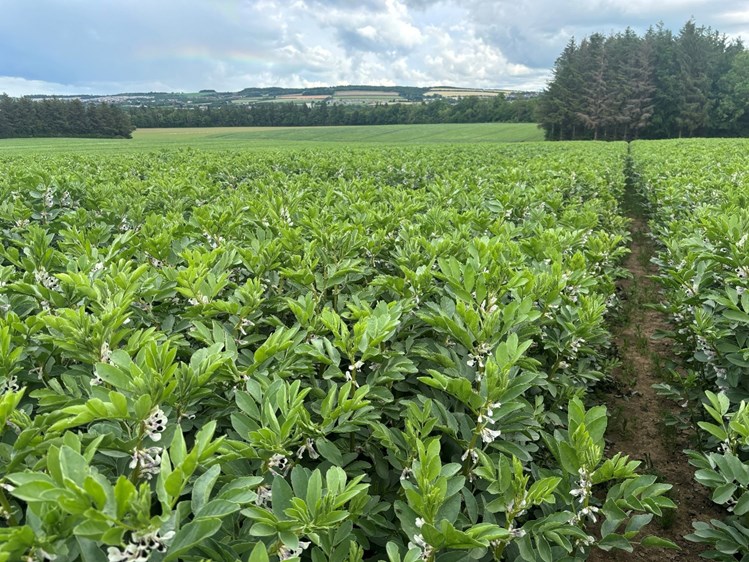
Our regular round up of the issues affecting crops around Scotland, summarises how crops are developing and what weather and other issues are affecting them. The update provides information on the progress with key field work activities as well as news on the pest, weed and disease problems being noted in crops. The health issues being seen in crops are a key part of the topical update and lets growers and agronomists adjust management practices appropriately.
05 June 2026
General Comments
Spring barley crops are mainly disease free and looking lush as they approach flag leaf, a few early crops are already at awns peeping. The stress seen in some winter wheat approaching T2 has been alleviated by rain though yellow rust starts to reappear where timings between T1 and T2 were stretched too much. Oilseed rape crops look well and are coming to the end of flowering and start of pod-set. Spring beans are coming to early flowering so lookout for chocolate spot. Showers forecast for this week will be welcome for all crops... so long as they are gentle showers and not downpours!
Regional Comments
ORKNEY
Although the air temperature has eventually risen of late, Orkney has certainly missed the heatwave which seemed to hit the rest of the country. Spring barley is growing slowly and so are the weeds thankfully. However, recent rainfall is likely to produce a flush of our broadleaved friends. Very little spraying has been carried out so far apart from quite a bit of dock control in grassland. A contractor’s new 15m tractor mounted spot sprayer with camera recognition is proving very popular for this – it is the first of its kind in the county.
CAITHNESS
A dramatic rise in temperature aided by some welcome rainfall has put a very different outlook on the area. Spring crops have literally jumped albeit weeds have also been given a boost at the same time. The winter crops in the area are looking healthy and continuing to develop well into their later growth stages now. Some silage has been completed in fine fettle whilst shut off fields for later cutting have certainly been boosted by the rise in temperatures. The limited number of swedes grown in the area have been drilled and sown in the past 10 days. Likewise, potatoes have been planted in excellent conditions.
MORAY
The first few days of June have brought some unsettled wet and cooler weather, which was required on some of the lighter soils. Winter barley has now reached the end of flowering and is looking very good with low levels of rynchosporium confined to lower leaves and it would appear spray programmes have been effective. The bright yellow patchwork is disappearing from the landscape as petals have fallen from winter oilseed rape crops and pods start to form and fill. Flag leaves are fully out on winter wheat crops whilst heads have emerged on other more advanced crops. Many crops have issues with mildew albeit confined to the lower stem and leaves and some Septoria can be found. Spring barley crops have had their first fungicide and weed sprays with most crops in the stem elongation stages and past GS31. Most crops are clean with minimal disease but there are some areas of rhynchosporium starting to develop. A large amount of grass sowing / re-seeding has been taking place as a result of both the current and poor outlook for spring barley and the new EFA rules requiring diverse grass mixes.
INVERNESS
Over the past two weeks, the weather around Inverness has been noticeably warmer and most pleasant, with plenty of dry, sunny spells. Temperatures have generally ranged from around 10 to 15 degrees or higher during the afternoons this last week. The winter crops are looking healthy and continuing to develop well into the later growth stages. Winter oilseed rape is moving towards the end of flowering, and the second mid flower fungicide has been applied. In the winter barley the awns are fully through, and the heads have fully emerged and flowering has started, all sprays have now been complete and waiting for some sun. Winter wheat is also looking good with the flag leaf fully emerged, and flag leaf spray is being applied. There are no signs of rhyncosporium or mildew in the winter barley, winter wheat has a small amount of stem-based mildew present and old septoria in the lower leaves of the winter wheat. Winter oilseed rape crops are clean. No presence of weeds currently in the winter crops. Spring barley is now through, with some at an earlier stage than others - conditions for spring barley have been good with some warmer spells and showers helping establish the crop. There are some weeds within the spring barley crops, however nothing which will cause significant issue. The first weed sprays will be going on this week to the early sown crops with some forward crop at GS 31 being sprayed this week which will include a fungicide. Over the upcoming 2 weeks the weather in Inverness is expected to turn more settled, however temperatures remaining warmer in the high teens. Regular showers and sunny spells will continue to help the crops develop.
ABERDEENSHIRE
The frequent showers (some very heavy) are allowing crops to grow well this year compared to last year at this time, and the warm weather last week has seen them jump significantly. The forward forecast at present looks very mixed and coincides with livestock farmers looking out their mowers for 1st cut silage. The recent showers have seen the flowers on winter oilseed rape disappear as pods start to form and fill. Flag leaves in wheat have been emerging and getting their T2 spray, and farmers have been busy getting weed and early fungicide sprays on spring barleys as the showers have encouraged a good flush of weeds. Disease pressure appears higher this year than last, due to the showery weather, but so far crops appear relatively clean.
BANFF & BUCHAN
The weather remains a real mix- sweltering heat to chilly cold, sunshine to overcast, windy to calm, dry to light and heavy rain shows and thunder and lightning, sometimes all in the same afternoon. The combination of warmth, sun and moisture has seen crops take off again and race through growth stages. Oilseed rapes are finally losing their flowers despite holding onto them for what seems longer and longer each year. Heads are fully out in winter barleys and approaching flowering. Winter wheats are receiving their T2s with flag leaves now fully out and the crops racing towards ear emergence. While crops remain relatively clean, there is some septoria around the base of the plants. Spring barleys have now had their T1s and weed sprays and in some cases flag leaf emergence won’t be far away with crops having grown a lot in the last 10 days. At this stage crops remain clean though T2 decisions won’t be far away, and the growthy weather may mean that growth regulators may be necessary in some situations. Potatoes are now emerging and with sunshine will quickly make good progress. First cuts of silage are also being made with some reasonable sized bouts considering the dry spell in April.
KINCARDINSHIRE
A mixed week with some very heavy downpours, after a very warm week has seen crops grow rapidly. Winter wheat is at head emergence with later crops well through booting. T2 sprays have all been applied and seem to be keeping disease at bay but there is pressure from septoria and yellow rust. Winter barley is looking well with some thick crops. Disease levels are low apart from BYDV which is in a lot of the crops in the south of the area. Winter oilseed rape after a prolonged flowering period, now has shed most of its petals and looks to have podded well. Spring barley is at flag leaf emergence to awns peeping on some early sown crops. Crops are generally free of disease. Spring oats are at booting stage and are free of disease and look thick in some crops. Potatoes are emerging with good weed control this year. Silage making has been put on hold this week due to weather but those that have got their crop cut last week are seeing rapid regrowth.
FORFAR
Catchy weather has made spraying a bit of a challenge in the last few days however the moisture has been welcomed. Winter wheat crops are around the flag leaf to ears emerging stage with most having received T2 fungicide sprays along with any tidy up herbicides required. Yellow rust continues to provide a challenge in wheat crops, particularly in coastal areas. Winter barley is now beginning grain fill and winter oilseed rape is at pod set. Spring barley crops now have flag leaf peeping out and most crops look quite lush with the recent heat and moisture.
PERTHSHIRE
Crops generally look well with favourable growing conditions allowing rapid development in the last few weeks. BYDV can be found in some winter barley and winter wheat crops this year and yellow rust can be found in any untreated areas of wheat showing the merits of the fungicides. Spring barley crops range from flag leaf peeping down to late tillering, but all crops are growing rapidly now. Chocolate spot pressure remains high in winter beans although fungicides are holding it at bay.
FIFE
Some welcome, though, localised showers of rain over the past couple of days have refreshed cereal crops. Some wheat crops on thin soil areas in fields have shown signs of drought stress (Head emerged early and leaves dry and curled) going into T2 application timing. Yellow rust was easily found in most wheat fields in Fife prior to T2. Septoria is present but has mostly been suppressed and kept down on the lower leaves. Winter barley fields are looking very well with the furthest advanced starting to flower; little signs of disease and final fungicide sprays have been applied. WOSR crops are coming to the end of flowering and look well. Spring barleys will welcome these showers of rain, but overall, they look like they have established well, the furthest on is at GS37 but most are just at GS30/31. T1 fungicide and weed control programs have been applied, and crops look clean and have good potential. Regular weekly light showers of rain would be welcome for all crops.
STIRLINGSHIRE
The preceding two weeks have mostly been dry and very warm, though temperatures have dropped a little and rain has returned in recent days. Generally, crops look clean and the elevated temperatures have given rise to good growth conditions – most notably in winter wheat and winter barley, though septoria tritici remains an issue in some winter wheat crops. Spring barley crops have tillered relatively well in the same period. Virtually all flowers have disappeared from OSR crops and pods are now full, with seeds developing at a good rate. For those arable farmers with livestock, the recent spell of warm weather has also allowed for significant quantities of silage to be made in excellent conditions.
LOTHIANS
With warming temperatures over the latter part of May, crop development once again moved on at pace with ears rapidly emerging in wheats, and spring barley moving very quickly through to awn emergence in the most forward of crops. New infections of yellow rust appearing around T2 timing required last minute adjustments to recommendations in some crops and the pressure from septoria, in general, remains high. Most areas had less than 25-30mm through May with only isolated heavy showers; more rain would be most welcome now. Petal fall in oilseed rape was rapid and pod set looks very good. Winter beans have podded well, and here too, yield potential looks promising.
BORDERS
Recorded rainfall at St Boswells in May was 30mm, about half the monthly average and many growers are looking for a shower to freshen up spring crops. The recent warm spell has finally lifted soil temperatures and crops growth stages have jumped in response. Winter barley is approaching watery ripe, winter wheat and oat heads are emerging, and winter rape seeds are expanding, with spring crops ranging from stem extension to awns peeping. In wheat, yellow rust remains the most active disease and whilst being controlled with eradicant and protective products it is bubbling up when spray intervals are stretched. Septoria remains in the base of the crop and mildew can be found on stem bases in some varieties. Spring barley is clean and in oats the early fungicides have stopped the spread of mildew on to new growth.
LANARKSHIRE
The weather has been mixed once again, with temperatures reaching highs of 25°C last week and dropping back to 10°C with showers this week. Winter crops are growing well with the rising temperature, and there has been a noticeable growth spurt in the spring crops which are relatively clean. The week of good weather allowed many to go on and spread fertiliser, slurry and dung. Many have managed to take a cut of silage with some in the area now having taken second cut.
AYRSHIRE
In the last fortnight, Spring barley has bulked out (GS19), the weather has been slightly better with a bit more heat. Forecast looking forward is not looking great, which could result in the plant having to handle some additional stress. Hopefully, this will be short lived and will return to summer weather soon.
STRANRAER
Winter crops are generally looking well. Disease pressures are higher than last year with yellow rust causing some concern in certain varieties. T2’s are on winter wheats with T3’s due in next 10 days – weather permitting. Due to the variable weather conditions, there is a real mix of growth stages for spring barley – anything from tillering to flag leaf emerging. It is anticipated we are about 10 days behind last year. Fodder beet is doing well and sitting at 4 leaf stage. The weather is the biggest barrier for getting on with spray programmes. Maize acreage is up again this year driven by the dairy industry. Maize plants are sitting with 6 leaves and weed control is the big focus. 2nd cut silage’s will be imminent for some of the early dairies and the warm weather of last week and rain this week has certainly helped to push things on. We will no doubt see a flush of grass, but it is well overdue for most.
Posted by SRUC on 11/06/2026
