

Thin Ewes After Weaning: When Should You Investigate?
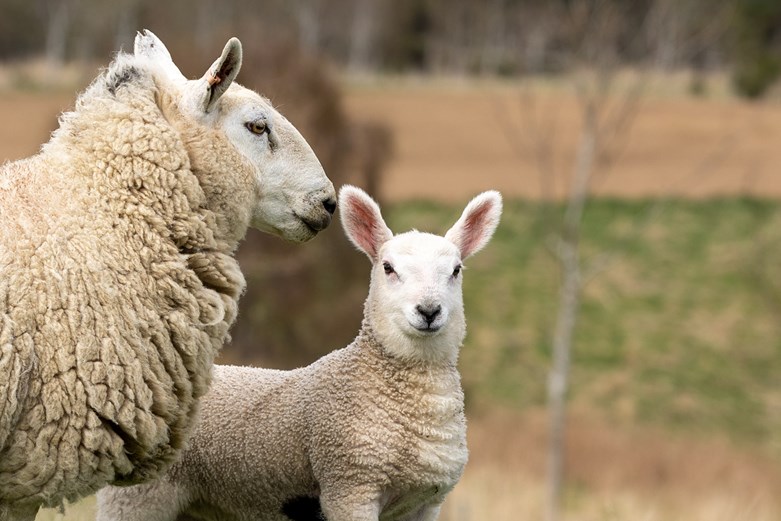
It is common practice to identify and separate thinner ewes at weaning, giving them access to the best available grazing to help them regain body condition ahead of tupping. In most cases, this approach is highly effective, with ewes responding well over the following six to eight weeks.
Given good-quality grazing with a minimum sward height of 4 cm, thin ewes can gain as much as one full body condition score within eight weeks. This equates to a liveweight gain of approximately 100 to 150 grams per day and can make a significant difference to future productivity and breeding performance.
Monitoring Recovery
Regularly assessing body condition is key to identifying ewes that are responding well and those that may require further investigation. While most thin ewes will improve when grazing conditions are favourable, some fail to gain weight despite receiving appropriate nutrition.
For a simple guide to body condition scoring, watch this short video from QMS.
When Thin Ewes Could Signal a Bigger Problem
Ewes that fail to regain condition for no obvious reason may have an underlying health issue. In fact, these animals can act as valuable sentinels, helping to identify the presence of "iceberg diseases" within a flock.
Conditions such as:
- Ovine Pulmonary Adenocarcinoma (OPA)
- Maedi Visna (MV)
- Johne's disease
can all contribute to chronic weight loss and poor body condition, often before more widespread clinical signs are seen in the flock.
Using Post-Mortem Examination as a Diagnostic Tool
One of the most cost-effective ways to investigate unexplained thinness is the euthanasia and post-mortem examination of a small group of affected ewes. Examining two to four thin ewes that are not suitable for sale can provide valuable insight into the underlying causes of poor performance.
When selecting animals for examination, choose typical thin ewes that have no obvious explanation for their poor condition, such as:
- Chronic lameness
- Severe dental problems ("broken mouth")
- Other visible causes of ill-thrift
Provided they are fit to travel, these ewes can often be transported live to a post-mortem facility for examination.
What Do Post-Mortems Commonly Reveal?
Experience from previous investigations suggests that trace element deficiencies are rarely the primary cause of unexplained thinness in these cases.
Instead, one of the most common findings in thin hill ewes is significant chronic parasitic damage to the gastrointestinal tract. Identifying this damage can help inform future flock health planning and parasite control strategies.
Don't Ignore Thin Ewes
While it can be tempting to simply cull or replace underperforming animals, investigating a small number of persistently thin ewes can provide valuable information about the wider health status of the flock. Early detection of diseases such as OPA, MV or Johne's disease allows informed management decisions and can help reduce future losses.
If you have thin ewes that are failing to gain weight despite good grazing and management, speak to your vet about whether further investigation or post-mortem examination could benefit your flock.
Posted by SRUC Veterinary Services on 25/09/2026
