

Investigating Abortions in Cattle and Sheep
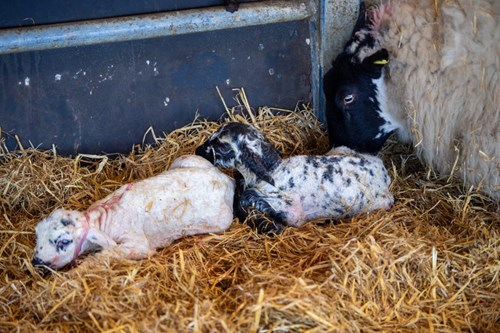
An abortion outbreak can be devastating to a flock and/or herd and poses a potential health risk to humans. Early diagnosis is vital to prevent further spread and to minimise losses in both the current and subsequent breeding seasons. Abortion rates higher than 2% are suggestive of an infectious cause and should be investigated. Collection of samples from both foetuses and placentas are key to reaching a diagnosis.
Causes of Abortion
Abortions can occur due to both infectious and non-infectious causes. Injury can lead to abortion. To reduce the risk of this it is important to ensure there is adequate feeding space and that animals are handled gently in late pregnancy.
Ensuring adequate nutrition is also key. Conditions such as hypocalcaemia and twin lamb disease can lead not only to the death of the dam but also to still births and abortions.
Abortion rates higher than 2% are usually caused by infectious causes. See below for causes of abortion in sheep and cattle. Those listed in bold are the most common causes in Scotland.
Causes of Ovine Abortion
- Chlamydia abortus causing enzootic abortion in ewes (EAE)
- Toxoplasma
- Campylobacter
- Salmonella species
- Listeria
- Schmallenberg virus
- Blue tongue virus
- Border disease virus
Causes of Bovine Abortion
- Bacillius licheniformis
- Salmonella species
- Trueperella pyogenes
- Neospora
- Listeria
- Campylobacter
- Infectious bovine rhinotracheitis (IBR)
- Bovine viral diarrhoea virus (BVD)
- Leptospira Hardjo
- Schmallenberg virus
- Blue tongue virus
When to Investigate?
Ideally every abortion or still birth should be investigated. Your veterinary surgeon can provide specific advice relating to your flock/herd however investigation is usually warranted in the following situations:
- More than 2% of dams abort/suffer stillbirths
- There are multiple abortions in a seven-day period
- Still births and/or weak calves or lambs are born
- Foetal deformities are present
It is a legal requirement to report all cattle abortions to the APHA within 24 hours. They will decide if statutory testing for Brucella is required. This testing is normally carried out by your own veterinary surgeon. Their visit provides the perfect opportunity for your vet to take other samples to investigate other causes of abortion listed in Table 2. There is no legal requirement to report sheep abortions.
What Samples to Take and How?
Care should be taken when handling aborted material as there is a risk of transmission of infection to humans. Gloves should be worn, and pregnant women must not handle abortive material. Both aborted foetuses and placentas should be collected and bagged. If you are unable to submit whole foetuses and placentas, whether it’s a Holstein or a Hebridean, there are three key samples to collect:
- Foetal stomach contents
- Foetal fluids
- Placenta
These samples allow all routine testing required to screen for the most common causes of infectious abortion to be carried out.
Samples can be submitted to your local SRUC Veterinary Services PM Centre, alternatively your own veterinary surgeon can undertake an abortion investigation and take samples. Ovine or bovine abortion kits can be collected from your local SRUC Veterinary Services PM Centre.
Dam blood samples are worth collecting and can be stored pending foetal results.
What to Do in the Event of an Abortion Outbreak
- Isolate aborted animals for at least one month
- Reduce stocking density
- Keep groups static
- Dispose of/collect aborted material and surrounding bedding
- Be aware of the potential risk of infection to humans (especially children and pregnant women)
Cause of Abortion Identified – What Do I Do?
Discuss the results of the abortion investigation with your veterinary surgeon. To limit the impact of certain diseases on subsequent breeding seasons, vaccinations may be recommended and must be administered appropriately and at the correct time.
Sometimes a cause of abortion is not identified this may be due to tissues being too autolytic (rotten) or inability to culture the organism. If abortions are still occurring submission of further abortion material is recommended. Remember even if a cause is not found many infectious causes will have been excluded providing useful information on what is less likely present in your flock/herd.
Key Points
- Consider investigating every abortion, if in doubt contact your vet swiftly as early investigation is key.
- All cattle abortions should be reported to APHA within 24-hours.
- Collect both aborted foetus and placenta and store securely in a plastic bag.
- Remember the potential infection risk to humans. Wear appropriate protective clothing and ensure pregnant women and children are not exposed.
- Discuss next steps with your vet. Early diagnosis can allow management changes which reduce losses in both current and subsequent breeding seasons.
- To reduce risk of spread of infection isolate the dam and remove all aborted material and contaminated bedding.
Lyn Gibson, Veterinary Investigation Officer, Lynn.Gibson@sruc.ac.uk
Posted by SAC Consulting on 17/02/2026
