

Getting to the Bottom of Calf Scour
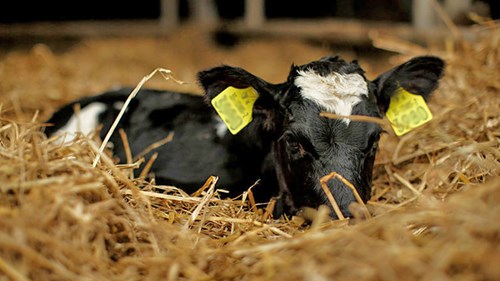
Calf scour remains one of the most common and costly health challenges in beef suckler herds across Scotland. While mortality is the most visible impact, the hidden costs are often greater. Calves that experience significant diarrhoea in the first weeks of life frequently suffer reduced growth rates and lower sale weights later in the season. For spring-calving suckler herds in particular, scour can quickly escalate during busy periods when labour is already stretched.
Scour is not a single disease but a clinical sign with multiple infectious causes. In Scottish beef calves, the most common pathogens include Rotavirus, Coronavirus, enterotoxigenic E. coli K99, Cryptosporidium parvum, and Salmonella species such as Salmonella Dublin and Salmonella Typhimurium. Identifying which pathogen is involved is important, as age of onset, severity and control strategies differ.
Which pathogen is to blame?
Enterotoxigenic E. coli K99 typically affects calves within the first few days of life. It attaches to the intestinal lining using fimbriae (the K99 antigen) and produces toxins that cause rapid fluid loss. When scour appears in calves under three days old, inadequate colostrum intake or heavy contamination of calving pens is often the underlying issue.
Rotavirus and coronavirus are most common between five and fourteen days of age. These viruses damage the gut lining, reducing the calf’s ability to absorb nutrients and fluids. While many calves recover with supportive treatment, disease severity increases when environmental contamination is high or when colostrum intake has been suboptimal.
Cryptosporidium parvum is highly infectious, resistant to many disinfectants and capable of surviving for prolonged periods in damp bedding. Group calving indoors, particularly during wet Scottish springs, increases infection pressure significantly.
Salmonella differs from the other scour pathogens because it frequently causes systemic illness. Affected calves are often dull, febrile and reluctant to suck before scour develops. Bloody diarrhoea may occur. Some strains, particularly S. Dublin, can create carrier animals and cause disease in adult cows, including abortions. Salmonella is also zoonotic, posing a risk to farm staff and family members. Laboratory testing and speciation are important, as identifying the serotype helps determine likely persistence, vaccination options and public health risk.
How to deal with scour
Regardless of the pathogen involved, calves do not die from diarrhoea itself but from dehydration and metabolic acidosis. Prompt fluid therapy is therefore the cornerstone of treatment. Oral electrolyte solutions should be given in addition to continued milk intake from the dam whenever possible. Removing milk entirely can reduce energy supply and delay recovery. Antibiotics are not indicated for viral or Cryptosporidium infections but are appropriate in cases of systemic illness, particularly when Salmonella is suspected.
Prevention, however, remains far more effective than treatment. Colostrum management is the single most important factor influencing calf health. Unlike dairy systems where feeding can be controlled directly, suckler calves depend on early and vigorous suckling. Observing calving's where possible, ensuring calves stand promptly and assisting weak calves to suck can significantly improve immunity. Research consistently shows that calves receiving adequate high-quality colostrum within the first two hours of life have reduced incidence and severity of scour.
Dam vaccination during late pregnancy can increase antibody levels in colostrum against rotavirus, coronavirus and E. coli K99. In herds with confirmed Salmonella, vaccination may also reduce shedding and improve calf protection. However, vaccination cannot compensate for poor calving hygiene or inadequate colostrum intake.
Environmental management is particularly important in beef systems where calving often occurs in group pens or straw-bedded courts. High stocking density, wet bedding and continuous use of calving areas allow pathogens to accumulate rapidly. Regular bedding replacement, ensuring dry lying areas and avoiding overcrowding are practical measures that significantly reduce infection pressure. Where possible, rotating or resting calving pens between batches can help break disease cycles.
Scour outbreaks rarely arise from a single failure. More often, they reflect a combination of high pathogen challenge and insufficient immunity. Beef herds that consistently achieve good calf health focus on optimising colostrum intake while minimising environmental contamination during the critical first weeks of life.
Top tips
- Ensure every calf suckles within two hours of birth
- Assist weak calves promptly and monitor first feeds
- Consider late-gestation vaccination to boost colostral antibodies
- Keep calving areas clean, well-bedded and uncrowded
- Replace wet bedding regularly during busy periods
- Provide oral electrolytes early and continue milk intake
- Practise good hygiene when handling sick calves due to zoonotic risk
Strong colostrum management, clean calving environments and early action remain the foundations of scour control in beef herds. Small improvements applied consistently can yield significant gains in calf survival, growth and overall herd performance.
Captiva Mills, Consultant, Captiva.Mills@sac.co.uk
Posted by SAC Consulting on 16/03/2026
