

Cattle Inspections and Passport Reconciliation
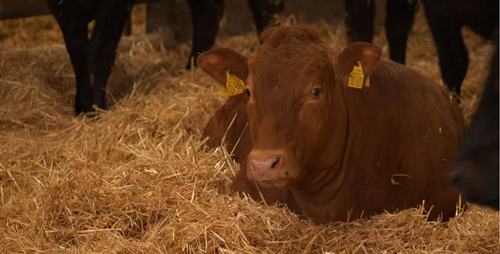
The Scottish Government carries out cattle identification inspections to make sure cattle keepers are complying with animal identification and traceability. The main purpose of the inspection is to check keepers are compliant with the cattle keeper requirements which are mandatory requirement of cross compliance and ensure traceability in case there is a serious disease outbreak.
It is evitable that all cattle keepers will incur an inspection at some point. Every year RPID must carry out inspections on:
- 3% of holdings with cattle
- 5% of Scottish Suckler Beef Support Scheme claimants
- 5% of Scottish Suckler Beef Support Scheme claimed animals.
Now is the time of year when cattle inspections are carried out on farm, so it is advised that you ensure you are ready for an inspection this winter by carrying out a passport reconciliation and checking all cattle on farm are correctly identified. If you selected for an inspection this winter, you will have limited time to prepare after receiving the inspector’s call.
How to carry out a passport reconciliation
Step 1 - Download a list of cattle recorded on the holding from the ScotEID website or telephone ScotEID on 01466 794323.
Step 2 - Use the ‘Current Cattle’ tab to find the ‘Cattle on Holding’ list to cross check against the passports you have on farm. Tick off the animals for which you have a passport.
Step 3 - Make a note of any passports you have where there isn’t an animal on the list. Also identify cattle with a missing or incorrect passport.
- Return any passports for cattle no longer on holding to ScotEID.
- Request replacement passports from ScotEID for registered cattle on holding, but without passport. A £20 fee will be charged for this.
- For cattle under 27 days not yet registered, birth notify the calf via ScotEID with relevant birth details.
- For animals over 27 days not yet registered, contact ScotEID to discuss next steps.
- For any passports containing incorrect information e.g. sex, score out the incorrect information and write on correct information before returning to ScotEID. A free replacement will be issued.
Step 4 – Carry out a physical ear tag check of all the cattle on farm. Check that both ear tags match (check front and back of each tag).
Step 5 - Keep a note of the animals which require a replacement tag and order replacements ASAP.
What happens during a cattle inspection
The inspector confirms whether the key requirements of cattle identification and traceability legislation have been complied with. As a reminder here are the key requirements of cattle keepers.
- You are registered with Animal and Plant Health Association (APHA) as the keeper of cattle.
- You have tagged your cattle in accordance with current legislation.
- You have registered your cattle with ScotEID and notified all births, movements and deaths on the ScotMoves+/ScotMoves systems.
- You have retained the appropriate passports.
- You keep records of all cattle births, movements (on and off) and deaths.
What inspectors will look for
The inspection will consist of two parts which includes both an administrative and physical assessment. The inspector will check your cattle records and passports against the information supplied to the ScotEID, ScotMoves+/ScotMoves systems, verifying the information in your records plus other supporting documents such as purchase and sales invoices. The physical assessment of cattle will involve the inspector physically inspecting your animals to verify the accuracy of your records and check the eartags to ensure the cattle have been tagged correctly.
It is important to note that inspectors will also check if any new or replacement tags have been ordered after the inspection has been announced.
Top tips
- Reduce likelihood of risk-based inspection by notifying ScotEID of births, deaths and movements within the legislative timeframes and recording these in the holding register.
- Carry out a passport reconciliation annually.
- Ensure you sign and sticker all passports once received on farm, remembering to sign and date also when moving off farm.
- File male and female passports in separate files, ideally in numerical order of last four digits for ease of finding.
- Make use of livestock management software, where possible to maintain records that link to ScotEID and allow for management of medicine records.
Useful links
- www.gov.scot/publications/livestock-identification-and-traceability-guidance/pages/cattle
- www.ruralpayments.org/topics/inspections/all-inspections/livestock-inspections/cattle-inspections
- www.fas.scot/downloads/stepping-back-passport-reconciliation
- www.fas.scot/news/cattle-records-passport-reconciliation
Lorraine Logan, Area Manager and Senior Consultant, Lorraine.Logan@sac.co.uk
Posted by SAC Consulting on 16/01/2026
