

Look Out for Rickets in 2026
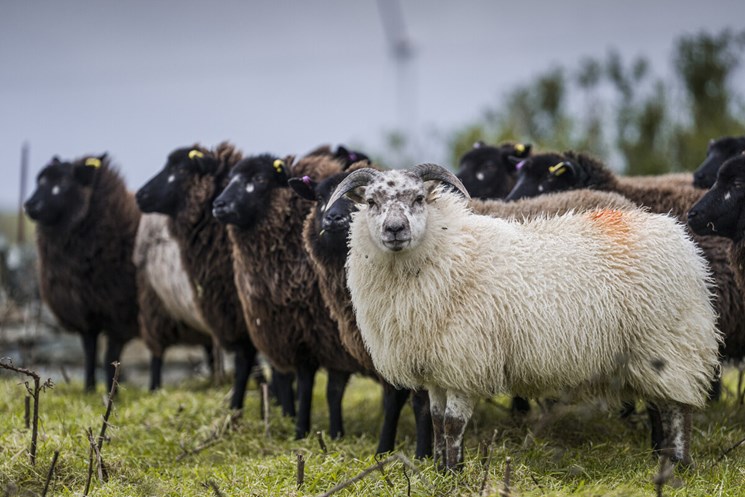
As we move into the early months of the year, it’s important to keep an eye out for rickets in lambs and hoggs. This condition, while not new, can catch flocks off guard—especially under certain management and nutritional circumstances.
What is Rickets and why are we seeing it?
Rickets is most commonly diagnosed in hill lambs that are away-wintered on good dairy grazing. We usually see it in Scottish blackface lambs, however, recent cases have also been identified in white-faced lambs (including pregnant hoggs) grazing reseeded pastures on their home holding.
Why does it occur?
The trigger is often improved nutrition in poorly grown lambs, which accelerates growth at a time when cutaneous production of Vitamin D from sunlight is minimal. At our latitude, Vitamin D synthesis from sunlight only occurs between mid-March and mid-September. For the other half of the year, animals rely entirely on dietary Vitamin D.
When Vitamin D is deficient, calcification of new bone is impaired, leading to widening of growth plates. This is the hallmark of rickets.
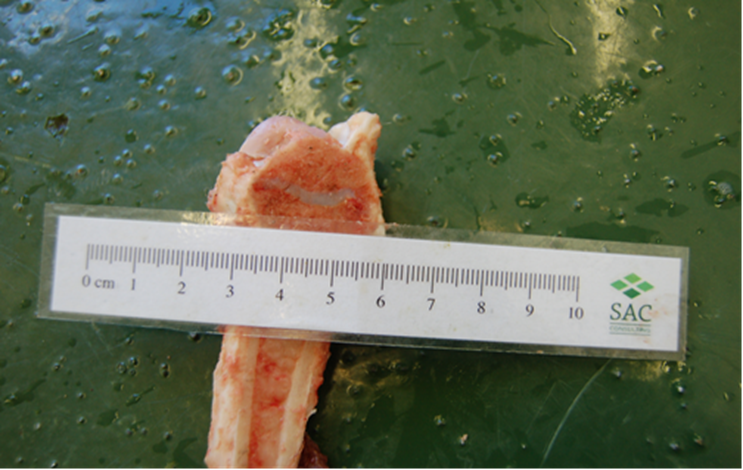
Clinical signs to watch for
Affected hoggs may:
- Appear stiff and reluctant to move
- Show recumbency in some cases
- Exhibit carpal valgus deformity (outward bending of the front leg/ knock-kneed appearance)
In groups of away-wintered hoggs, the issue may only become apparent when they return home.
Diagnosis and treatment
- Treatment: Supplementation of Vitamin D via injection and/or concentrate feeding.
- Diagnosis: Based on history and response to treatment, with bone histopathology required for absolute confirmation.
Prevention
Flocks with previous issues often supplement hoggs with Vitamin D before wintering. This proactive approach can significantly reduce risk.
Rickets remains a seasonal and management-related challenge. Awareness, early detection, and preventive supplementation are essential to protect flock health.
Posted by SRUC Veterinary Services on 07/01/2026
