

Perforated Abomasal Ulcers in Suckled Calves
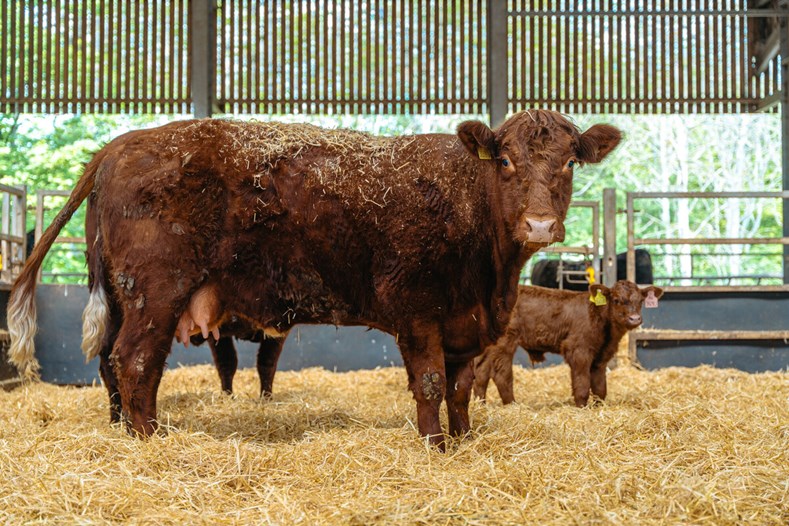
Perforated abomasal ulcers in suckled calves remain a frustrating diagnosis for clinicians and a distressing loss for producers. While cases are typically straightforward to confirm at postmortem, providing meaningful, evidence‑based advice to prevent future deaths is far more challenging.
When Do Cases Occur?
Most outbreaks occur between May and July, affecting calves one to two months old. Typically, these calves are well grown and in good body condition, with minimal prior indication of disease. The majority are simply found dead, making clinical investigation difficult.
Although incidents are usually isolated, understanding associated risk factors can support more informed herd discussions.
Proposed Risk Factors
Several potential contributors have been suggested, but proving direct causation is complex:
- Concurrent disease or stress
- Mechanical trauma (e.g., grit, sand, hair balls)
- Viral infections such as BVD
- Trace element deficiencies (vitamin E, selenium, copper)
- Bacterial or fungal infection
- Hyperacidity
A review of postmortem reports from 102 calves provides some useful insight into how relevant these factors may—or may not—be.
What the Postmortem Data Shows
Across the 102 cases:
Concurrent Disease
- 7 calves had pneumonia (4 described as mild/incidental)
- 5 calves had navel ill and/or liver abscesses
These figures suggest that concurrent disease is not a major driver in most cases.
Abnormal Abomasal Contents
- Hairballs: identified in 6 calves
- Sand or silt: present in 4 calves
Again, these numbers imply that mechanical trauma is unlikely to be a primary cause.
Trace Elements
Liver analysis was carried out in only a small number of calves, but 5 tested calves showed low selenium. The sample size is too limited to draw conclusions — however, this could justify deeper investigation in herds with repeated losses.
Bacterial Findings
No clostridial involvement was detected.
However, Sarcina species bacteria were found in 15 of 41 histologically examined cases, indicating:
- Abnormal abomasal flora
- Excess fermentable carbohydrate present in the abomasum
Sarcina spp. proliferate when large milk intakes lead to abomasal tympany, generating:
- CO₂ → prolongs tympany, reduces mucosal perfusion
- Acetate, hydrogen, ethanol → chemically damage mucosa
- Lower pH → slows abomasal emptying
Working Hypothesis: Why Ulcers Occur
A compelling theory is now emerging:
Large-volume milk feeds → Abomasal tympany → Mucosal damage → Delayed emptying → Repeated injury → Ulceration and perforation
Even in suckled calves, high milk intake at a single feeding (or competitive feeding behaviour) may set the cycle in motion.
Take‑Home for Vets
While definitive prevention guidance remains elusive, the following considerations may help during farmer discussions:
- Review milk feeding patterns in beef cows—particularly high-yielding dams.
- Assess calf competition at the udder.
- Consider the potential role of selenium deficiency where problems are recurrent.
- Encourage early postmortem examination to track patterns over time.
- Note any link to weather, cow condition, or feeding changes around May–July.
Perforated abomasal ulcers may be difficult to predict, but building herd‑level data and addressing modifiable risks is key to reducing losses.
Posted by SRUC Veterinary Services on 12/03/2026
