

Ovine Keratoconjunctivitis
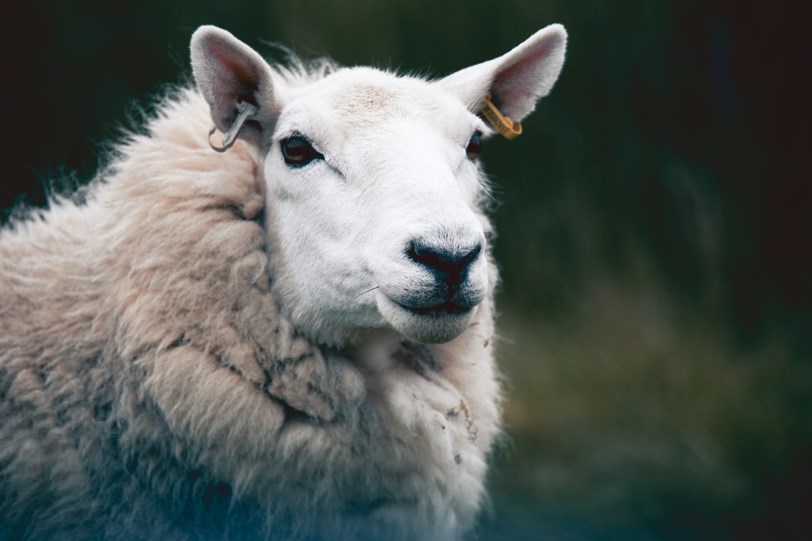
Ovine Keratoconjunctivits also known as pink eye or heather blindness, is a common and frustrating issue seen in sheep, especially during late autumn and early winter. Outbreaks frequently occur after mixing groups around tupping time, and although treatment may help, the condition often returns.
What causes it?
The main cause is the bacterium Mycoplasma conjunctivae. This organism can remain in the eye for months, and some animals become long-term carriers. Because antibiotics don’t maintain high enough concentrations in the eye, complete elimination can be difficult.
Recognising the signs
Early signs:
- Increased blinking
- Watery discharge
- Wetness beneath the eye.
Milder cases can recover without treatment.
Severe signs:
- Painful, partially or fully closed eye
- Redness and visible blood vessels
- Clouding of the cornea
- Possible ulcers
- Thick or pus-like discharge in advanced cases.
Although inflammation and pain eventually improve, a proportion of sheep are left with permanent white scarring on the eye surface.
How It Spreads
Outbreaks can be triggered or worsened by:
- Mixing sheep from different groups
- Tight stocking density
- Close head-to-head contact at troughs
- Housing conditions or handling sessions
Indirect spread through equipment and hands can also contribute.
Carrier animals are often the source, and this is why outbreaks sometimes continue for weeks or months.
Managing The Problem
Where possible:
- Segregate affected sheep for treatment
- Avoid returning them to the group until fully recovered
- Consider pain relief alongside antibiotics (in consultation with your vet)
Because healing of the cornea takes time, recovery can be slow even once infection resolves.
Key Takeaways
- Expect higher risk after mixing groups
- Watch for early eye discharge and blinking
- Separate affected sheep quickly
- Treat and monitor, but recovery may take time
- Plan to reduce close contact during outbreaks
By managing stocking density, handling routines and hygiene, farmers can reduce spread and limit the duration of outbreaks.
Posted by SRUC Veterinary Services on 05/12/2025
